

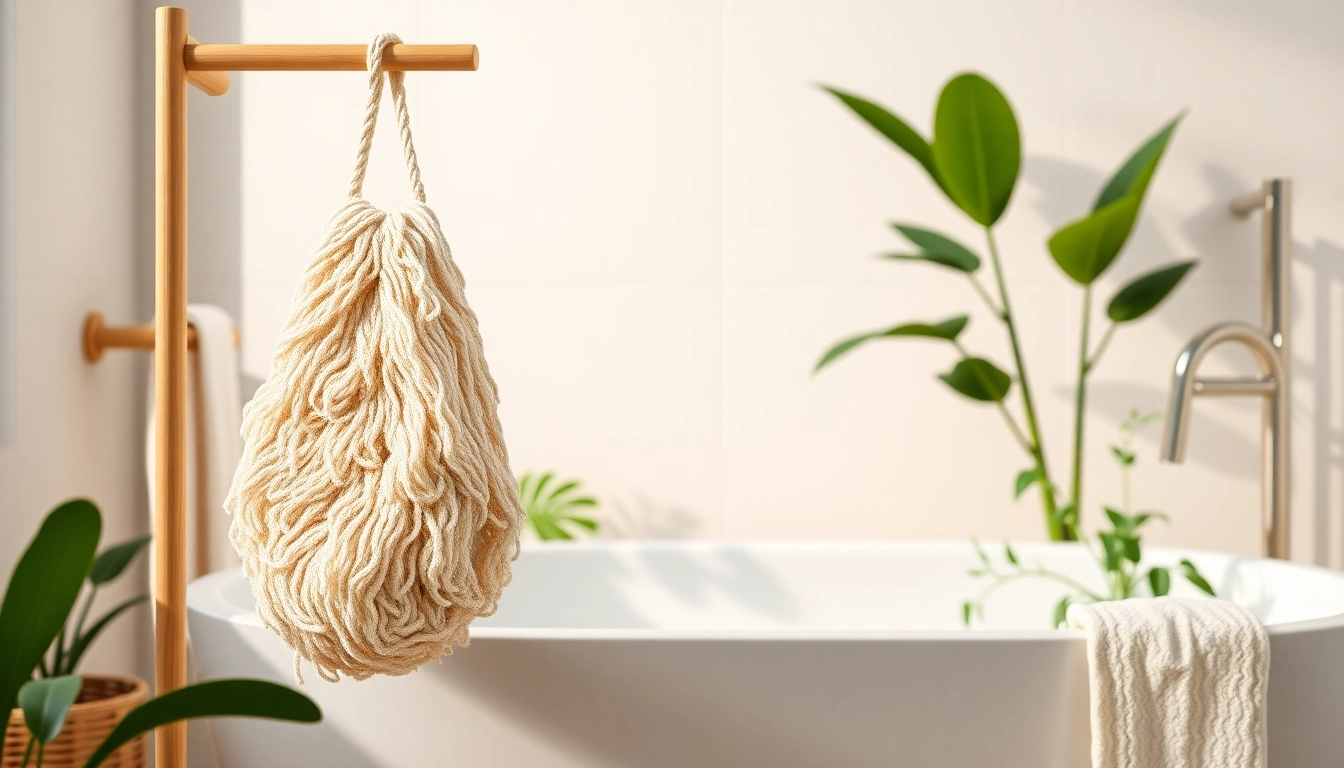
Understanding the Benefits of the Best Back Loofah for Dry Skin
What is a Back Loofah?
A back loofah is a specialized bathing tool designed for scrubbing your back and other hard-to-reach areas of your body. Traditionally made from the fibrous interior of the loofah plant, these items are ideal for enhancing your shower or bath experience. Unlike typical sponges, back loofahs feature elongated shapes and are often equipped with handles to provide better reach and control. This makes them perfect for thorough cleansing and exfoliation, which can be particularly beneficial for individuals with dry skin.
Why Choose Loofah for Dry Skin?
Choosing a loofah for dry skin can be exceptionally beneficial. The exfoliating properties of a loofah help to remove dead skin cells, promoting better skin turnover and allowing for a smoother, healthier appearance. Regular exfoliation can help reduce the appearance of dry patches, flakes, and even dry skin conditions like eczema. Furthermore, a loofah can enhance the effectiveness of moisturizing products by allowing them to penetrate deeper into freshly exfoliated skin. Therefore, opting for the best back loofah for dry skin could significantly improve your skincare regimen.
Key Features to Look For
When searching for the ideal back loofah, several key features should be considered:
- Material: Look for either natural loofah or high-quality synthetic options.
- Handle Length: A longer handle can be beneficial for those with difficulty reaching their back.
- Texture: Moderate to rough textures provide effective exfoliation without being overly abrasive.
- Cleaning Ease: Ensure that the loofah can be easily cleaned or is machine washable.
How to Use a Back Loofah Properly
Step-by-Step Guide to Exfoliating
To efficiently use a back loofah, follow these steps:
- Start by soaking your loofah in warm water to soften it.
- Apply a gentle, hydrating body wash or exfoliating scrub evenly across the loofah.
- Begin at the lower back and scrub upwards in circular motions, gradually working around the sides.
- Focus on areas prone to dryness, such as elbows and knees, while avoiding overly sensitive areas.
- Rinse your back and the loofah thoroughly with clean water, removing any soap residue.
Best Practices for Gentle Cleansing
While exfoliating is essential, it’s crucial to approach it with gentleness to prevent skin irritation. Here are some best practices:
- Limit usage to 2-3 times per week to avoid over-exfoliation.
- Test different pressures to find what feels comfortable for your skin.
- Follow up with a soothing moisturizer right after your shower for optimal hydration.
Tips for Maintaining Your Loofah
Proper maintenance of your loofah is vital for its longevity and hygiene. Here are some helpful tips:
- Rinse the loofah thoroughly after each use to remove soap and dead skin particles.
- Hang it in a well-ventilated area to allow it to dry completely.
- Replace your loofah every 4-6 weeks to prevent bacteria buildup.
Comparing Materials: Natural vs. Synthetic Loofahs
Benefits of Natural Loofahs
Natural loofahs are derived from the fibrous tissue of the loofah plant and offer various benefits:
- Eco-Friendly: They are biodegradable and environmentally friendly.
- Effective Exfoliation: Their natural texture provides efficient exfoliation without artificial additives.
- Skin-Friendly: They can be gentler on the skin if adequately hydrated before use.
Pros and Cons of Synthetic Options
Synthetic loofahs can also offer unique benefits, but they have drawbacks:
- Durability: Synthetic loofahs often last longer than natural counterparts.
- Variety: Available in various textures and designs, allowing personalized choices.
- Potential Irritation: Some materials may irritate sensitive skin, unlike natural loofahs.
How Material Impacts Performance
The material of a loofah significantly affects its performance. Natural loofahs tend to provide a softer touch, while synthetic ones can be designed to mimic rougher textures for deeper exfoliation. It’s essential to choose material based on your skin’s sensitivity and the desired level of exfoliation. Finding the right balance will enhance your bathing experience, especially if you’re dealing with dry skin.
Top Features of the Best Back Loofah for Dry Skin
Ideal Size and Shape
The size and shape of your back loofah should allow you to comfortably reach all areas of your back. A larger loofah creates more surface area for scrubbing, which can be beneficial in covering dry skin hotspots efficiently. Oval or rectangular shapes are particularly effective, as they can adapt to the contours of your body.
Importance of Handle Length
An adequately long handle is vital, especially for individuals who might struggle to reach their backs comfortably. Handles that measure between 15 to 20 inches help ensure an effective exfoliation without straining your arms. A non-slip grip also enhances usability, making it easier to work with different angles.
How Texture Affects Exfoliation
The texture of the loofah is a critical factor in its efficacy for treating dry skin. A rougher texture can provide a deeper exfoliation, beneficial for areas with significant dry patches. However, it’s essential to balance texture with gentleness—choose loofahs that offer varying levels of abrasion to suit your skin needs.
Frequently Asked Questions about Back Loofahs
How often should I use a back loofah?
It is recommended to use a back loofah 2-3 times per week. Over-exfoliating can lead to skin irritation.
Can a back loofah be used on sensitive skin?
Yes, but choose a softer, natural loofah and start with light pressure to see how your skin reacts.
How do I clean my back loofah?
Rinse it thoroughly after use and allow it to dry completely in a well-ventilated area. Avoid sharing with others.
Are there alternatives to loofahs for exfoliating?
Yes, alternatives include exfoliating mitts, brushes, and sponges that can also provide effective skin resurfacing.
How long does a back loofah typically last?
A back loofah usually lasts 4-6 weeks with proper care, but replace it sooner if you see any damage or odor.