
Introduction to Shower Screen Door Options
Choosing the right elements for your bathroom can significantly affect both functionality and aesthetic appeal. A crucial aspect of this is the selection of a shower screen door. This integral fixture can enhance your bathing space, providing a perfect blend of style and practicality. In this guide, we will explore various options, materials, and styles to help you make informed decisions.
Understanding the Function of Shower Screen Door
The primary function of a shower screen door is to provide a barrier that contains water within the shower space, preventing it from splashing onto the bathroom floor. This not only keeps the area safe and dry but also facilitates a more enjoyable showering experience. Additionally, a shower screen door can serve as a design element, contributing to the overall aesthetic of your bathroom.
Popular Designs and Styles of Shower Screen Door
When selecting a shower screen door, various designs cater to different tastes and bathroom layouts. Common styles include:
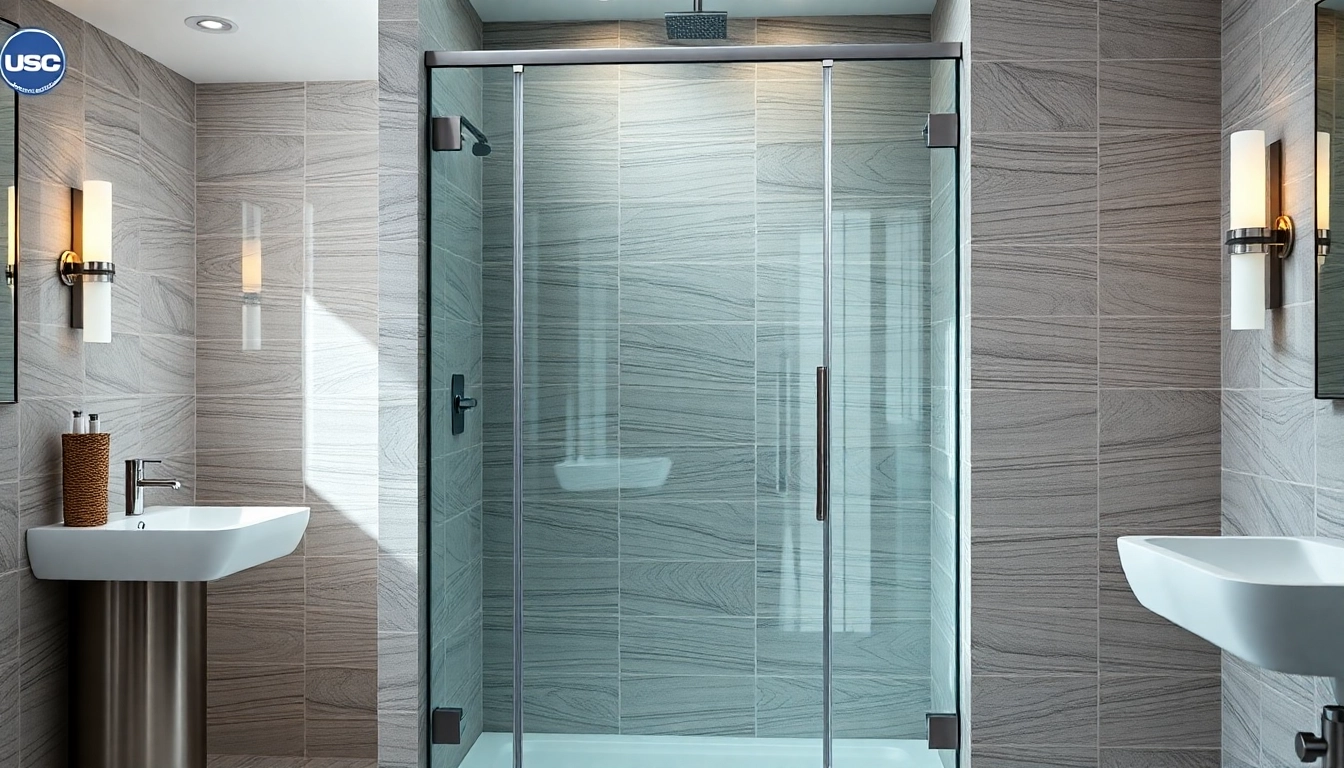
- Frameless Shower Screen Doors: These offer a modern look with minimal hardware, making the bathroom feel more open.
- Semi-Frameless Shower Screen Doors: Striking a balance between support and elegance, these doors feature a frame but with glass that enhances visibility.
- Bi-Fold Shower Screen Doors: Ideal for smaller spaces, bi-fold doors open inwards, saving space while providing easy access.
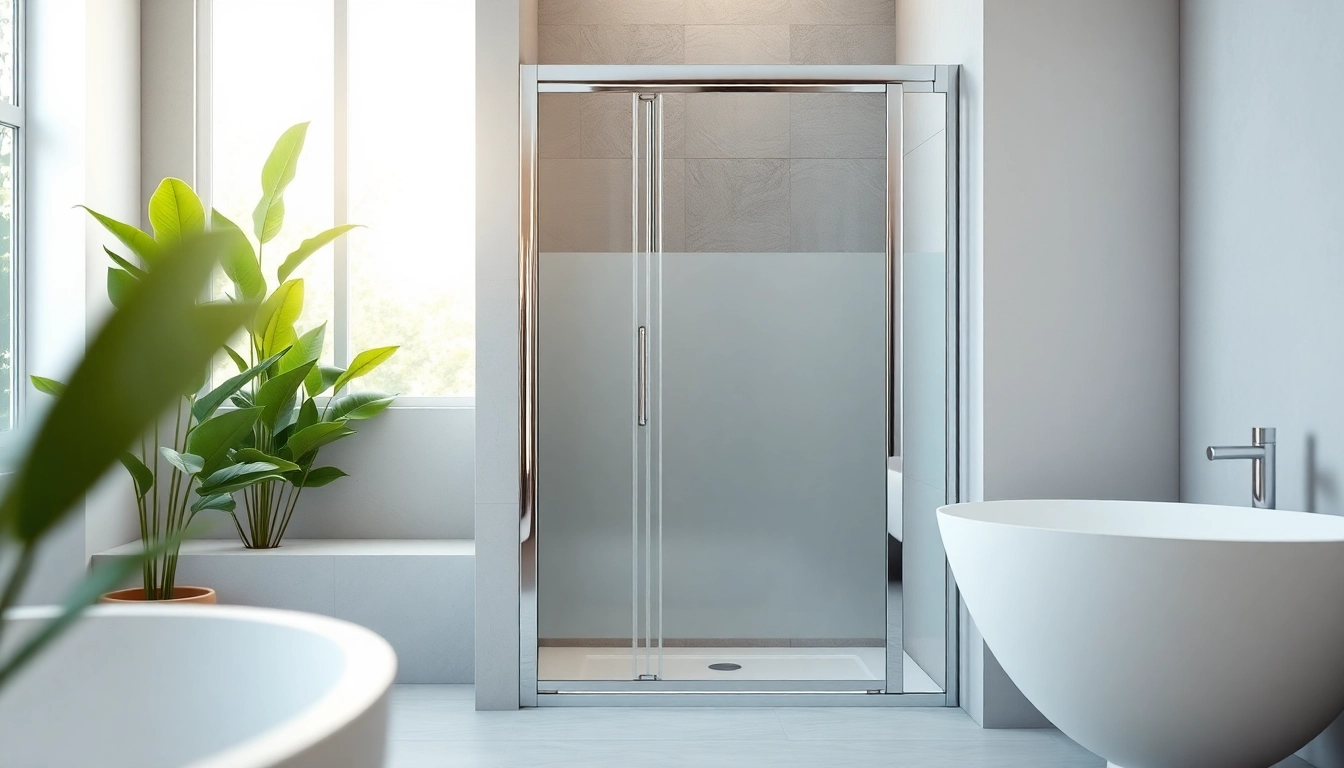
- Sliding Shower Screen Doors: Popular for their convenience, sliding doors glide on a track, making them suitable for compact areas.
Understanding these options can help homeowners choose the best design that complements their bathroom’s aesthetics and functionality.
Choosing the Right Material for Your Shower Screen Door
Material selection plays a pivotal role in the durability and appearance of your shower screen door. Each material has its own advantages:
- Tempered Glass: Stronger than regular glass, it is heat-resistant and, when broken, shatters into small, blunt pieces, reducing injury risks.
- Acrylic: A lightweight option, acrylic offers durability and impact resistance but may scratch easier than glass.
- Vinyl: Vinyl shower doors are affordable and often used in less humid environments; however, they may not provide the same upscale look as glass.
Consider your bathroom’s use and style when choosing the material to ensure maximum satisfaction and longevity.
Benefits of Installing a Shower Screen Door
Enhanced Aesthetics and Visual Appeal
Incorporating a shower screen door transforms your shower into a visually appealing space. Glass options can create the illusion of more space, making small bathrooms feel larger. Moreover, the transparency of glass showcases beautiful tiles and designs, elevating the overall design of your bathroom.
Improved Functionality and Water Containment
Aside from aesthetics, functionality is where a shower screen door truly shines. It effectively contains water within the shower, significantly reducing the potential for slips and falls. Proper water containment also minimizes mold and mildew formation on bathroom surfaces, contributing to a healthier living environment.
Easy Maintenance with a Shower Screen Door
Shower screen doors simplify cleaning routines. Glass doors require only occasional wiping with a mild cleaner and a squeegee to prevent water spots and soap scum buildup. This way, they maintain a fresh, polished appearance with minimal effort, saving you valuable time and ensuring your bathroom looks pristine.
Common Mistakes When Selecting a Shower Screen Door
Ignoring Size and Space Considerations
A frequent mistake homeowners make is not measuring their bathroom space accurately. An ill-fitting shower screen door can lead to installation challenges and functional problems, such as leaks and inadequate access. It is crucial to assess your space carefully before making a selection.
Overlooking Installation Requirements
Another common oversight is not understanding the installation requirements. Some shower screen doors need professional installation due to their weight and complexity, particularly heavier glass models. Taking the time to read the manufacturer’s instructions can save headaches and ensure correct installation.
Failing to Assess Your Bathroom’s Design Scheme
Choosing a shower screen door that clashes with your bathroom’s existing design is a mistake often overlooked. It’s essential to consider colors, materials, and styles that harmonize with other fixtures and finishes. A well-coordinated look enhances the overall aesthetic appeal of your space.
Installation Guide for a Shower Screen Door
Preparation Steps Before Installation
Preparation is key to a successful installation. Begin by measuring the height and width of the shower opening, ensuring you account for any irregularities. Gather necessary tools and materials, and clear the work area of debris to facilitate a smooth process.
Tools and Materials Required
To install a shower screen door, gather the following tools and materials:
- Drill and drill bits
- Screwdriver
- Level
- Measuring tape
- Silicone caulk
- Shower screen door kit (includes hinges, brackets, and seals)
Having everything on hand ensures fewer interruptions during installation.
Step-by-Step Installation Process
The installation process typically includes the following steps:
- Mark the Position: Use the level to mark where the door will hang.
- Drill Holes: Carefully drill holes at the marked spots based on the manufacturer’s specifications.
- Attach Hinges: Install the hinges on the wall and attach the door to the hinges.
- Seal Edges: Apply silicone caulk around the edges to prevent water leaks.
- Inspect Functionality: Ensure the door opens and closes smoothly before completing the installation.
Following these steps decreases the likelihood of errors and improves the final appearance of your installation.
Maintenance Tips for Your Shower Screen Door
Regular Cleaning Practices
To ensure your shower screen door remains in excellent condition, adopt a regular cleaning routine. Wiping down surfaces after each use can help prevent buildup and reduce the frequency of deep cleans. Use a gentle cleaner to avoid scratches, and a soft cloth or squeegee for a streak-free finish.
Dealing with Hard Water Stains
Hard water stains can mar the beauty of glass doors. A simple solution involves mixing equal parts white vinegar and water in a spray bottle. Apply this mixture to the affected areas, let it sit for a few minutes, and wipe with a soft cloth. This method not only cleans the glass but also helps restore its shine.
Ensuring Long-lasting Durability
To maximize your shower screen door’s lifespan, conduct periodic inspections for cracks or chips. Address any minor issues promptly to prevent larger repairs. Regularly checking seals and hardware ensures everything is in working order, enhancing durability and performance.
FAQs
What types of materials are used for shower screen doors?
Common materials include glass, acrylic, and vinyl. Glass is the preferred choice due to its aesthetic appeal and durability.
How do I clean my shower screen door effectively?
Use a mixture of vinegar and water or a pH-balanced cleaner with a soft cloth to avoid scratching the glass surface.
Can I install a shower screen door myself?
Yes, with the correct tools and instructions, homeowners can install a shower screen door, but professional installation is recommended for complex setups.
Are shower screen doors safe for children?
Modern shower screen doors use tempered glass, which is more resistant to breaking. Always supervise children while using the bathroom for added safety.
How often should I replace my shower screen door?
Typically, a shower screen door lasts many years. However, consider replacement if you notice cracks or persistent mold issues.