
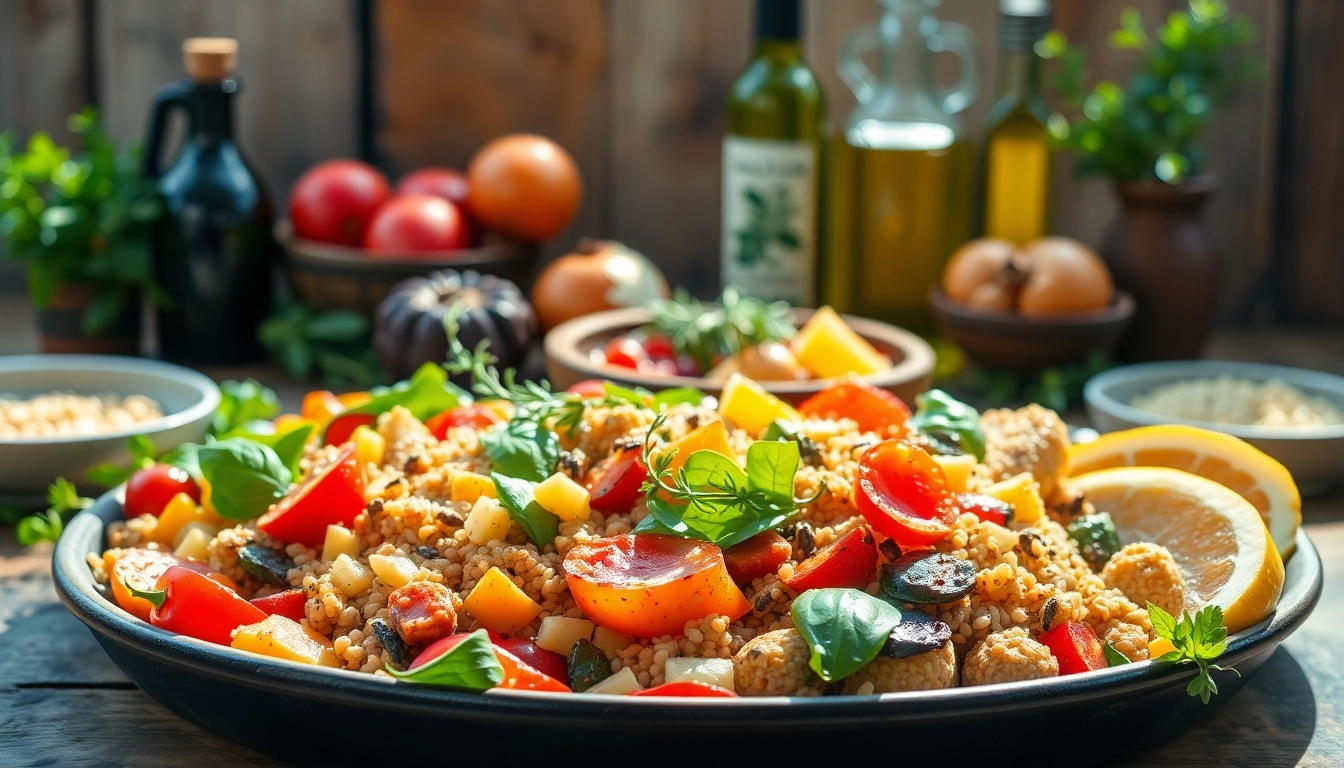
Understanding the Mediterranean Diet
What is the Mediterranean Diet?
The Mediterranean diet is not merely a diet; it is a holistic approach to eating that originates from the dietary patterns of countries bordering the Mediterranean Sea. This way of eating emphasizes a balanced intake of healthy fats, lean proteins, whole grains, fruits, and vegetables. The Mediterranean diet showcases the importance of enjoying meals while engaging in social interactions, promoting both physical health and emotional well-being. At its core, the Mediterranean diet encourages eating whole foods that are minimally processed and provides a delightful variety of food options. For those interested in embracing a lifestyle centered around the mediterranean diet, understanding its components is key.
Core Principles of the Mediterranean Diet
At its heart, the Mediterranean diet is driven by several core principles:
- Plant-based Foods: A significant portion of meals consists of fruits, vegetables, whole grains, legumes, and nuts. This focus on plant-based foods provides essential nutrients and antioxidants.
- Healthy Fats: Instead of saturated fats, the diet emphasizes healthy fats, primarily sourced from olive oil. Nuts and avocados are also encouraged.
- Moderate Consumption of Animal Products: While fish and poultry form part of the diet, red meat consumption is limited. This moderation helps in maintaining a balanced nutrient profile.
- Herbs and Spices: Flavoring foods with herbs and spices, rather than relying on salt, enhances the culinary experience and provides additional health benefits.
- Wine in Moderation: Daily moderate consumption of red wine is often celebrated, as it can be beneficial for heart health when consumed responsibly.
- Physical Activity: Coupled with a balanced diet, regular physical activity is a cornerstone of the Mediterranean lifestyle, promoting longevity and overall health.
Key Benefits of Following the Mediterranean Diet
The Mediterranean diet has gained recognition not just for its culinary appeal, but also for numerous health benefits, including:
- Heart Health: Research suggests that this diet can lower the risk of cardiovascular disease through its emphasis on heart-healthy fats and antioxidant-rich foods.
- Weight Management: The Mediterranean diet promotes satiety through high fiber intake, aiding in maintaining healthy body weight.
- Improved Brain Function: Components like omega-3 fatty acids from fish can contribute to better cognitive function and potentially reduce the risk of dementia.
- Reduced Inflammation: The diet’s anti-inflammatory foods can help mitigate chronic diseases linked to inflammation.
- Enhanced Longevity: Studies indicate that adhering to a Mediterranean diet may contribute to a longer, healthier life.
Essential Foods in the Mediterranean Diet
Fruits and Vegetables: The Building Blocks
At the forefront of the Mediterranean diet are an array of colorful fruits and vegetables. These foods provide fiber, vitamins, and minerals essential for health. It is recommended to consume at least five servings of fruits and vegetables daily, ensuring a diverse intake. Common choices include:
- Leafy greens (kale, spinach, arugula)
- Tomatoes, bell peppers, and onions
- Citrus fruits (oranges, lemons) and berries
- Cruciferous vegetables (broccoli, cauliflower, Brussels sprouts)
The versatility of these foods allows for endless combinations, whether in salads, stir-fries, or as standalone snacks.
Healthy Fats: The Role of Olive Oil
One of the signature elements of the Mediterranean diet is extra virgin olive oil. It serves as the primary fat source, rich in monounsaturated fats and antioxidants. The health benefits of olive oil are profound:
- Heart Health: Olive oil has been shown to lower bad cholesterol levels while raising good cholesterol, contributing to cardiovascular health.
- Anti-inflammatory properties: Its phenolic compounds can help reduce inflammation and oxidative stress in the body.
- Versatile Culinary Uses: Olive oil can be used in dressings, marinades, and for cooking at moderate temperatures, making it a staple in Mediterranean cuisine.
In addition to olive oil, nuts such as almonds, walnuts, and hazelnuts provide another excellent source of healthy fats that are beneficial to heart health.
Whole Grains and Proteins in the Mediterranean Diet
Whole grains are integral to the Mediterranean diet, forming the basis of many meals. Foods such as whole grain bread, brown rice, farro, and quinoa should be prioritized. The benefits include:
- High fiber content for digestive health
- Steady energy release, preventing blood sugar spikes
- Rich sources of essential vitamins and minerals
Proteins, particularly from fish, legumes, and poultry, play a vital role as well. Protein sources include:
- Fatty fish (salmon, sardines, mackerel) for omega-3 fatty acids
- Legumes (chickpeas, lentils, beans) for plant-based protein
- Poultry (chicken, turkey) consumed in moderation
These protein sources contribute to muscle health and satiety, making meals well-rounded and fulfilling.
Meal Planning with the Mediterranean Diet
Creating a Balanced Weekly Meal Plan
Meal planning is essential for successfully integrating the Mediterranean diet into daily life. A balanced meal plan can include a variety of foods to ensure nutritional adequacy and enjoyment. Here’s a sample structure:
- Breakfast: Greek yogurt topped with fresh fruits and a sprinkle of nuts.
- Lunch: Quinoa salad featuring a mix of vegetables, chickpeas, and dressed with olive oil and lemon.
- Dinner: Grilled salmon served with a side of roasted vegetables and brown rice.
- Snacks: Hummus with carrot sticks or a handful of mixed nuts.
By preparing meals in advance and keeping a variety of ingredients on hand, one can make healthier choices more easily.
Snack Ideas That Fit the Mediterranean Diet
Snack time can be both nutritious and satisfying within the Mediterranean diet framework. Here are some healthy snack ideas:
- Sliced cucumber and bell pepper with tzatziki sauce
- Almonds and dried figs
- Hummus served with whole grain pita chips
- Fresh fruit, such as grapes or apple slices, with a dollop of nut butter
- Greek yogurt mixed with honey and walnuts
These snacks not only align with dietary principles but also help maintain energy levels through the day.
Shopping Tips for Mediterranean Diet Ingredients
Shopping for Mediterranean diet ingredients can be an enjoyable experience, especially when you know what to look for. Here are some tips:
- Go Fresh: Focus on purchasing fresh produce, which should be the foundation of your kitchen. Look for seasonal fruits and vegetables for the best flavor and nutrition.
- Choose Whole Grains: Select whole grain products, ensuring they are high in fiber. Check labels for whole grains listed as the first ingredient.
- Buy Bulk: Purchase nuts, seeds, and legumes in bulk to save money and reduce packaging waste.
- Quality Over Quantity: Invest in quality olive oil, as it forms the base of many dishes and contributes significantly to flavor and health benefits.
- Local Markets: Visit local farmers’ markets for fresh produce, supporting local agriculture while enriching your meal options.
By following these shopping tips, you can create a well-stocked kitchen that supports your Mediterranean eating habits.
Adopting the Mediterranean Diet Lifestyle
Integrating the Mediterranean Diet into Daily Life
Transitioning to a Mediterranean lifestyle involves more than just changing your diet; it entails embracing a new way of living. Here are ways to integrate this diet effectively:
- Cook at Home: Preparing meals at home allows control over ingredients and fosters a connection with food. Experiment with traditional Mediterranean recipes.
- Eat Mindfully: Take time during meals to savor food, promoting better digestion and a greater appreciation for flavors.
- Incorporate Social Gatherings: Share meals with family and friends, celebrating food and togetherness, which is intrinsic to the Mediterranean culture.
- Stay Active: Participate in regular physical activity, whether through walking, cycling, or dancing, to enhance your overall well-being.
Cooking Techniques for Mediterranean Diet Dishes
The Mediterranean diet offers a plethora of cooking techniques that maximize flavor while retaining nutrients. Consider these methods:
- Grilling: A common practice for cooking meats and vegetables, grilling enhances flavor without adding excessive fats.
- Roasting: Roasting vegetables with olive oil brings out natural sweetness and gives a delightful texture.
- Sautéing: Quickly cooking vegetables or proteins in a small amount of olive oil preserves nutrients while adding depth of flavor.
- Steaming: This gentle cooking method is ideal for retaining the natural colors and flavors of vegetables.
- Slow Cooking: Utilizing techniques like braising allows flavors to develop and meld together beautifully.
Incorporating these cooking methods can elevate your meals and align with the healthy principles of the Mediterranean diet.
Overcoming Challenges in Transitioning to the Mediterranean Diet
Changing eating habits can pose challenges, but with perseverance, these can be overcome. Here are common hurdles and solutions:
- Time Constraints: To combat time issues, meal prep can be planned weekly, allowing batch cooking or preparation of ingredients in advance.
- Limited Access to Ingredients: If certain ingredients are unavailable, substitute them with local or seasonal options that provide similar nutrients and flavors.
- Adjustment Period: Allow time to adapt to new tastes and cooking methods. Gradually introduce Mediterranean options into your diet to ease the transition.
By identifying challenges early and planning accordingly, one can make a successful transition to a Mediterranean lifestyle.
Measuring Success on the Mediterranean Diet
Tracking Health Improvements with the Mediterranean Diet
Monitoring progress when adopting the Mediterranean diet can be encouraging and informative. Here’s how to measure success:
- Keep a Food Journal: Documenting daily meals helps identify patterns and nutrition intake while providing accountability.
- Regular Health Check-Ups: Consulting healthcare professionals for regular assessments can provide insights into improvements in blood pressure, cholesterol levels, and overall health.
- Set Personal Goals: Establish achievable health goals related to diet, weight, or fitness, and track your progress towards these goals.
Measuring success is pivotal for sustaining motivation and enhancing awareness of personal health developments.
Adjusting the Mediterranean Diet for Individual Needs
While the Mediterranean diet is versatile, individual preferences and nutritional requirements may necessitate adjustments. Here are suggestions for personalization:
- Consider Dietary Restrictions: Individuals with allergies or intolerances should substitute foods accordingly, ensuring that their Mediterranean meals remain rich in nutrients.
- Adjust Portion Sizes: Different energy needs can require adjusting portion sizes. Listen to your body and adapt your intake based on physical activity levels.
- Consult with Professionals: A dietitian can provide tailored advice and meal plans to optimize the Mediterranean diet for personal needs.
Customizing the Mediterranean diet ensures it remains enjoyable and beneficial for each individual’s lifestyle and health goals.
Celebrating Milestones on the Mediterranean Diet Journey
Recognizing accomplishments can serve as motivation and strengthen commitment to a healthier lifestyle. Consider ways to celebrate personal milestones:
- Plan a Cooking Celebration: Host a dinner featuring Mediterranean dishes you’ve mastered, inviting friends and family to join in your journey.
- Share Progress: Discuss your achievements and experiences with others who are interested in the Mediterranean diet.
- Reward Yourself: Treat yourself to a new kitchen gadget or cooking class as a reward for reaching a health milestone.
Celebrating these achievements reinforces your commitment to the Mediterranean diet while aligning with its philosophy of joy and togetherness related to food.