
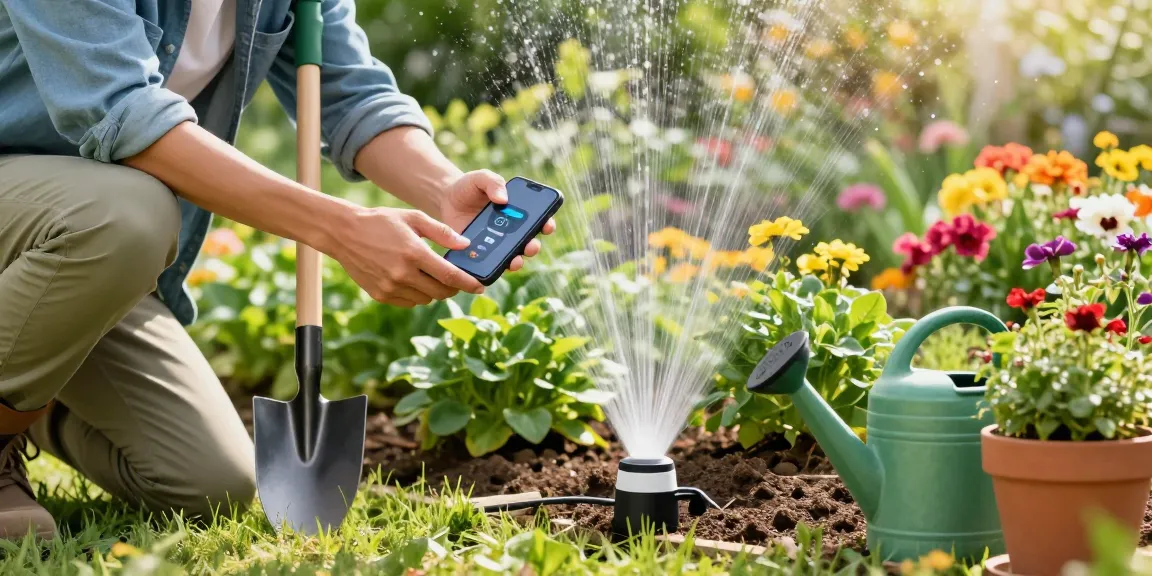
Understanding wifi Sprinkler Controllers
As modern gardening trends evolve, the integration of technology has become essential for both novice and seasoned gardeners. At the heart of this technological revolution is the wifi sprinkler controller, a device that allows users to manage their irrigation system remotely, ensuring optimal watering schedules while minimizing water waste. Understanding how these devices operate and their significant advantages can greatly enhance your gardening experience.
What is a wifi Sprinkler Controller?
A wifi sprinkler controller is an advanced irrigation management system that connects to your home Wi-Fi network, allowing you to control and schedule watering remotely via a smartphone app. Unlike traditional timers that operate on a fixed schedule, wifi sprinkler controllers provide users with the flexibility to adjust their watering plans based on real-time data such as weather conditions, soil moisture levels, and plant needs.
How does it work for smart gardening?
Smart gardening is all about utilizing technology to optimize plant care. Wifi sprinkler controllers work by collecting data from various sensors, such as soil moisture sensors and weather forecasts, to determine the optimal times and amounts of water needed for your garden. This ensures efficient water usage, helping you to maintain a healthy garden while conserving water resources.
Benefits of using wifi Sprinkler Controllers
- Convenience: Schedule watering times and adjust settings from anywhere using your smartphone.
- Water conservation: Reduce water waste with precise watering based on real-time data.
- Customization: Tailor your irrigation schedule to meet the specific needs of your plants.
- Integration with smart home systems: Sync with devices like Alexa or Google Assistant for voice-activated control.
- Data tracking: Monitor water usage and adjust your practices for better efficiency.
Setting Up Your wifi Sprinkler Controller
Setting up a wifi sprinkler controller is a straightforward process, but it’s important to follow the proper steps to ensure everything functions as intended. From initial setup to integration with existing smart home systems, here’s how to get started.
Step-by-step installation guide
- Choose a location: Find a suitable location for your controller that’s within range of your Wi-Fi signal and close to your existing irrigation lines.
- Connect to your water supply: Install the controller following the manufacturer’s instructions, typically involving connecting it to your existing water faucet or irrigation system.
- Download the app: Install the corresponding app for your controller on your smartphone to manage settings and schedules.
- Connect to Wi-Fi: Follow the app’s instructions to connect your controller to your home Wi-Fi network.
- Set up your watering schedule: Customize your watering times based on your plants’ needs, taking into account weather forecasts and soil moisture.
Troubleshooting common setup issues
If you encounter issues during setup, such as Wi-Fi connectivity problems or difficulty syncing with the app, consider the following:
- Ensure your router is functioning properly and that your Wi-Fi signal is strong in the area where the controller is installed.
- Reset the controller and attempt the setup process again, as this can often resolve minor glitches.
- Check for app updates, as manufacturers frequently release improvements and fixes.
- Consult the troubleshooting section of the user manual or the manufacturer’s website for specific guidance.
Integrating with smart home systems
Many wifi sprinkler controllers are designed to integrate seamlessly with popular smart home systems. This integration allows for voice commands, automation, and enhanced functionality. To integrate your sprinkler controller with your smart home system, follow these general steps:
- Check compatibility: Ensure your controller is compatible with your smart home ecosystem (e.g., Google Home, Amazon Alexa).
- Enable skills or services: In your smart home app, search for the specific skill or service associated with your sprinkler controller and enable it.
- Link your accounts: Follow the prompts to link your sprinkler controller account with your smart home service.
- Test commands: Once linked, try voice commands to control your irrigation system and verify proper functionality.
Maximizing Water Efficiency
Water conservation is a hot topic in gardening, especially as climate change escalates water scarcity issues. Wifi sprinkler controllers play a crucial role in maximizing water efficiency, helping gardeners use just the right amount of water needed for their plants.
Tracking water usage with smart technology
Smart sprinkler controllers often come equipped with features that track water usage and provide insights into how much water is being used for irrigation. By reviewing this data, gardeners can make informed decisions about their watering habits, ensuring that they are not over or under-watering their plants.
Adjusting schedules for seasonal changes
Gardening needs change with the seasons, and so should your watering schedule. With wifi sprinkler controllers, you can easily adjust your irrigation patterns according to seasonal weather changes. For instance, during rainy seasons, you might want to reduce watering frequency, while in hotter months, you can increase the frequency to keep your plants hydrated.
Using soil moisture sensors for optimal watering
Many advanced wifi sprinkler controllers include or support the use of soil moisture sensors. These sensors provide real-time data on the moisture level in your soil, allowing the controller to automatically adjust watering schedules based on the actual needs of your plants. This not only conserves water but also ensures that plants receive the right amount of moisture for optimal growth.
Real-world Applications and Success Stories
Real-life examples can illustrate the tangible benefits of using wifi sprinkler controllers for gardening. These systems have transformed gardens and landscapes around the world, showcasing their effectiveness in both residential and commercial settings.
Case studies of successful garden transformations
In many urban areas, water conservation has become increasingly important due to local regulations and drought conditions. One notable case involved a community garden in California that implemented a wifi sprinkler controller, which allowed them to monitor and reduce their water usage significantly, leading to a flourishing garden while adhering to local water restrictions.
Customer testimonials on product effectiveness
Feedback from users highlights the practical advantages of wifi sprinkler controllers. For instance, a customer recently shared their experience using the RainPoint 2 Zone Wifi Water Timer with Hub, noting how it transformed their garden care routine, allowing them to focus on enjoying their outdoor spaces rather than worrying about watering.
Innovative features enhancing user experience
New features in wifi sprinkler technology are continuously being developed. Users can now enjoy features such as rain delay options, which automatically pause watering during rainfall, and customizable alerts that notify users when watering schedules have been executed or if issues arise.
Future Trends in Smart Irrigation
The smart irrigation industry is evolving rapidly, with technological advancements paving the way for even more functionalities and efficiencies in gardening over the coming years.
Emerging technologies in gardening
Look out for advancements like AI-driven irrigation solutions that analyze vast amounts of data to predict water needs, innovative sensor technology that measures not only soil moisture but also nutrient levels, and the integration of drones for aerial monitoring of plant health and water distribution.
Predictions for smart irrigation in 2026
By 2026, we can expect smart irrigation systems to become increasingly mainstream, with a significant rise in the adoption of solar-powered controllers that are both energy-efficient and eco-friendly. Moreover, integration with weather prediction services will provide even more precise watering forecasts.
Expert insights on sustainable gardening practices
Experts emphasize the importance of sustainability in gardening. Utilizing wifi sprinkler controllers not only promotes efficient water usage but also encourages responsible gardening practices. As the push for sustainable living strengthens, these technologies will be essential tools for gardeners aiming to make a positive environmental impact.