Understanding Shower Screen Door Options
When it comes to enhancing your bathroom space, few choices are as impactful as selecting the right shower screen door. With a variety of designs and functionalities available, understanding these options will equip you to make an informed decision that aligns with your preferences, space, and budget.
Various Types of Shower Screen Door
Shower screen doors come in a multitude of types, each catering to different aesthetic and functional requirements. Here’s an overview of some common options:
- Bi-Fold Doors: Ideal for smaller bathrooms, bi-fold doors fold inwards, minimizing the space they occupy. They are great for tight areas where swinging doors won’t work.
- Sliding Doors: A popular choice for spacious bathrooms, sliding doors glide along a track and are available in a variety of designs. They offer seamless entry for larger shower enclosures.
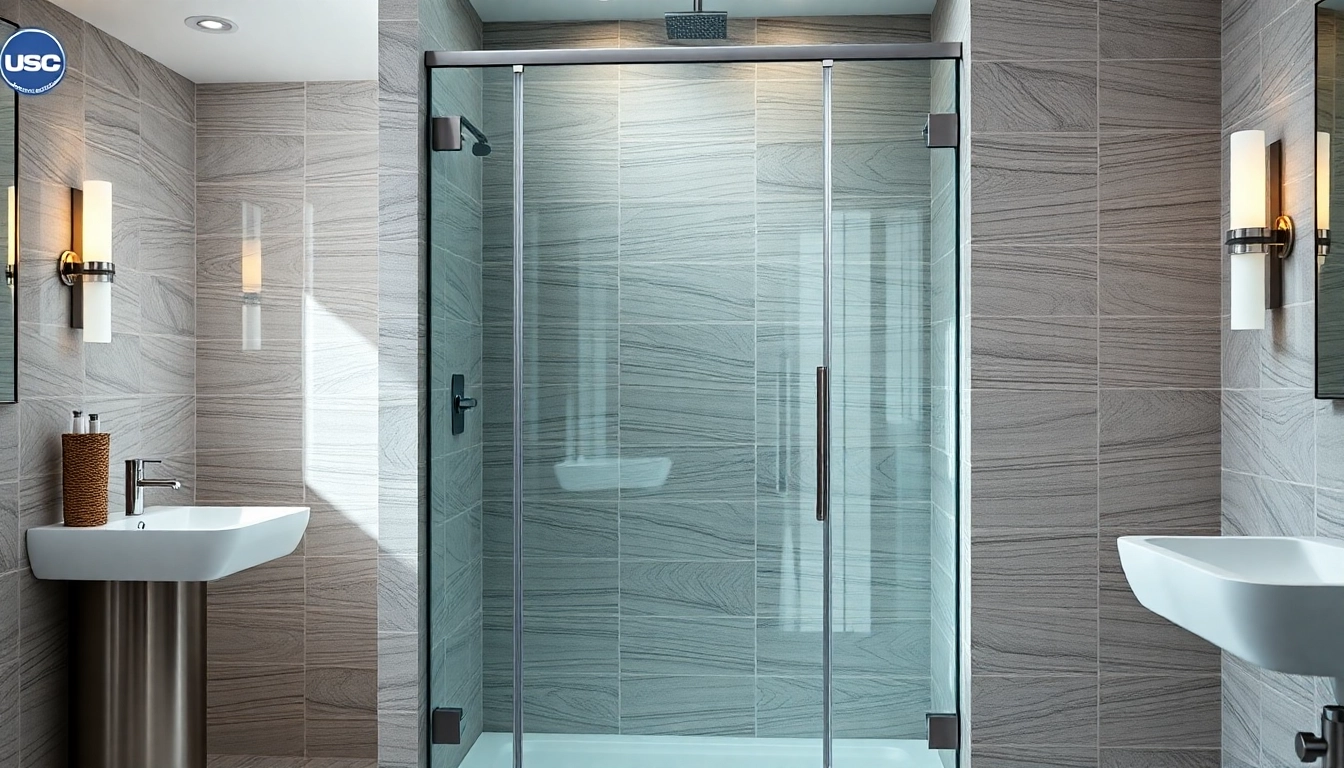
- Hinged Doors: These doors swing open on hinges, similar to a traditional door. They require sufficient space and are often combined with fixed panels for an elegant look.
- Curved Shower Doors: Designed for corner showers, curved doors provide a unique aesthetic by adding an elegant curve to the bathroom design, maximizing both style and space functionality.
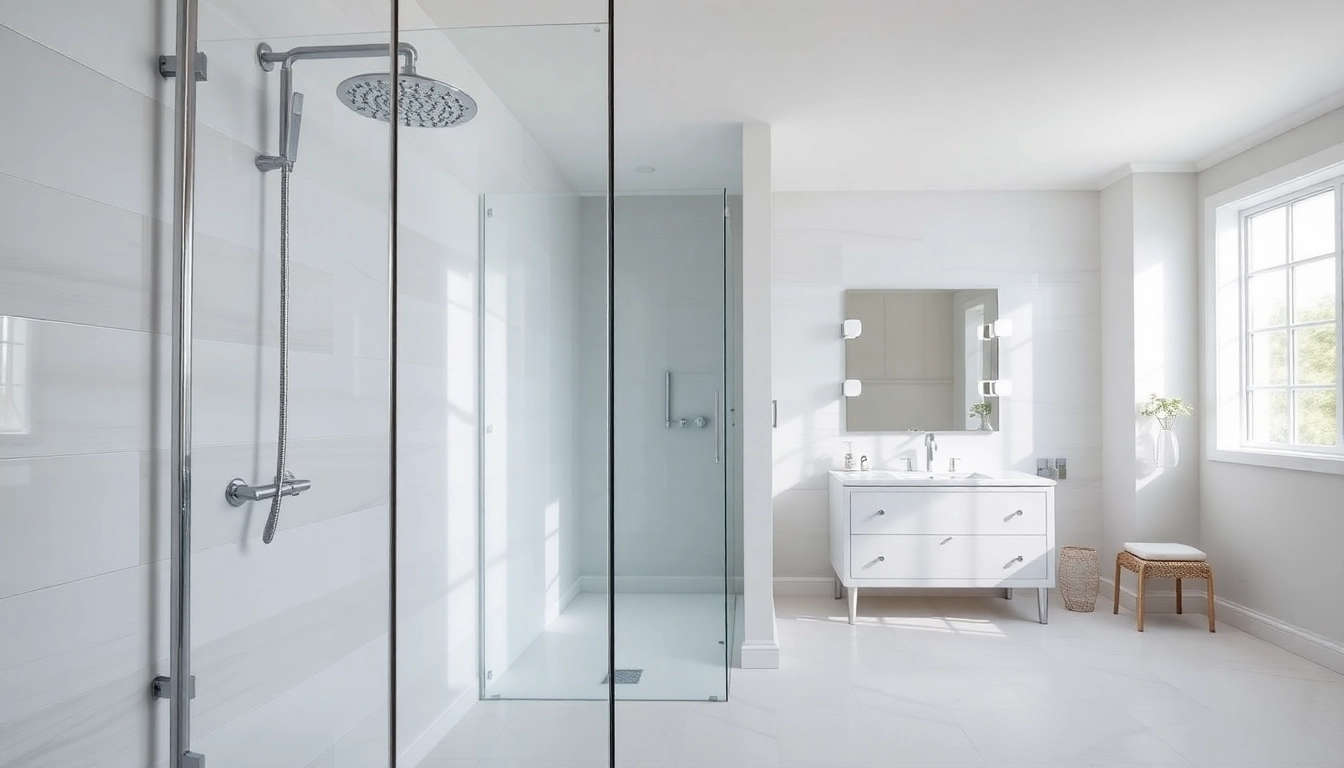
- Walk-In Shower Screens: For modern bathroom designs, walk-in shower screens add a minimalist look without doors or panels, offering an open, airy feel while ensuring water containment.
Materials Used in Shower Screen Doors
When choosing a shower screen door, the material is critical to its durability and maintenance. Here’s a rundown of popular materials:
- Tempered Glass: Known for its strength and safety, tempered glass is heat-treated to withstand significant pressure and thermal fluctuations.
- Laminated Glass: Constructed from two layers of glass bonded with a laminate interlayer, laminated glass is less likely to shatter and ensures safety in a bathroom setting.
- Acrylic or Fiberglass: These materials are lighter and less expensive than glass, offering good durability and a wide range of styles. However, scratches can be more visible over time.
- Aluminum Frames: Common in sliding and bi-fold doors, aluminum frames provide structural integrity and are resistant to corrosion, making them ideal for humid environments.
- Plastic (Polycarbonate): This is a cost-effective option, well-known for its resistance to breakage. However, it may not offer the same aesthetic appeal as glass alternatives.
Choosing the Right Size
Choosing the right size for your shower screen door is crucial for both functionality and design. Take accurate measurements of your shower area, considering the following:
- Width and Height: Measure the full height and width of the shower opening. Doors must fit snugly but not tightly.
- Threshold Height: Ensure that any transition from non-slip flooring into the shower is considered to avoid slips.
- Space for Opening: If opting for hinged doors, ensure there is enough room for them to swing open without obstruction.
- Adjustable Features: Some models have frames that can accommodate variances in installation space or uneven flooring.
Benefits of Installing a Shower Screen Door
Integrating a shower screen door into your bathroom has numerous benefits, enhancing both aesthetics and practicality. Let’s analyze the key advantages:
Improved Bathroom Aesthetics
One of the most noticeable benefits of a shower screen door is its ability to transform bathroom aesthetics. Unlike traditional shower curtains that can look dated or cluttered, glass shower screens offer a clean, modern look:
- Transparency: Glass doors make the space appear larger and airier by allowing light to flow freely.
- Variety of Styles: With numerous designs and finishes available, from frameless to patterned glass, customization can complement existing decor.
- Design Cohesion: A correctly chosen shower screen door enhances the overall theme of the bathroom, ensuring visual continuity.
Enhanced Functionality
Beyond aesthetics, shower screen doors provide enhanced functionality:
- Water Containment: Unlike curtains, which can slip or blow, glass doors effectively contain water, reducing messy floors.
- Ease of Use: Built for high traffic, modern door designs allow for quick entry/exit and can often be operated with one hand.
- Accessibility: Many models cater to accessibility needs, providing wider options for entry without losing style.
Easy Maintenance Practices
Maintenance is an essential consideration in any bathroom renovation:
- Simple Cleaning: Most glass doors can be easily cleaned with a squeegee or a mild cleaner, making upkeep a breeze.
- Stain Resistance: Tempered glass tends to resist stains better than porous materials, requiring less frequent deep cleaning.
- Preventing Mold: With a solid barrier, there’s less room for mold and mildew to develop compared to fabric curtains.
Key Features to Consider
Prior to purchasing a shower screen door, several essential features must be evaluated to ensure you choose the best option for your space:
Glass Thickness and Safety
The thickness of glass plays a crucial role in both the durability and safety of your shower screen door:
- Standard Thickness: Most glass shower doors range from 3mm to 10mm thick, with thicker options offering better shatter resistance.
- Safety Standards: Ensure that the glass complies with local safety regulations, particularly in bathrooms where safety is paramount.
- Frameless vs. Framed: Frameless doors typically use thicker glass for stability, while framed doors can use thinner glass but are still effective.
Design Styles and Finishes
With an array of designs and finishes available, selecting one that matches your bathroom's decor is crucial:
- Satin vs. Clear Finish: Clear glass feels modern and open, while satin or frosted glass offers more privacy.
- Hardware Options: Assess the choice of handles and hinges. Stainless steel provides durability and a sleek look.
- Customizable Designs: Consider patterns or etchings for a unique look that stands out while matching your design theme.
Accessibility Considerations
Accessibility is vital when choosing a shower screen door, especially for households with elderly or mobility-challenged members:
- Door Width: Ensure that the opening is wide enough for comfortable access.
- Handle Width and Height: Position handles within easy reach to facilitate user convenience.
- Flooring Transition: Ensure that transitions to the shower do not create trip hazards; consider low-threshold options.
Installation Guide for Shower Screen Door
Installing a shower screen door can be a rewarding DIY project. Below is a step-by-step guide to assist you through the process:
Tools and Materials Needed
Gathering the right tools and materials before beginning your installation is essential. You'll need:
- Measuring Tape
- Level
- Drill and Drill Bits
- Silicone Sealant
- Shower Screen Door Kit (includes door, hinges, and necessary hardware)
- Safety Gear (gloves and goggles)
Step-by-Step Installation Process
- Preparation: Measure the shower area and mark the points where the door will be installed.
- Mounting the Hinges: Securely attach the hinges to the shower wall, ensuring they are level for proper door alignment.
- Door Placement: Carefully lift and place the door onto the hinges, ensuring it swings freely without obstruction.
- Sealing: Apply silicone sealant to the edges where the door meets tiled surfaces or other joinery.
- Final Adjustments: Check that the door operates smoothly, making any necessary adjustments to hinges or seals.
Common Installation Mistakes to Avoid
To ensure a successful installation, be mindful of common pitfalls:
- Inaccurate Measurements: Double-check all measurements before cutting or drilling to prevent costly mistakes.
- Ignoring Leveling: Ensure everything is level — an unlevel installation can lead to problems with door function.
- Over-tightening Screws: This can lead to cracking in the glass. Adhere to specified torque recommendations in the installation manual.
- Neglecting Sealant: Proper sealing is crucial to prevent water damage behind the door, so don’t skip this step.
- Forgetting Safety Precautions: Always use safety gear when handling heavy glass and sharp tools to prevent injuries.
FAQs about Shower Screen Doors
What materials are best for shower screen doors?
Glass, especially tempered or laminated glass, is ideal for safety and durability.
How can I maintain my shower screen door?
Regularly wipe down with a squeegee and use a vinegar solution to prevent water spots.
Can shower screen doors be installed in small bathrooms?
Yes, there are compact options designed specifically for smaller spaces.
Are shower screen doors energy-efficient?
While they don't directly insulate, they can minimize heat loss better than shower curtains.
What is the average cost for a shower screen door?
Prices vary based on design and materials but typically range from £200 to £800.