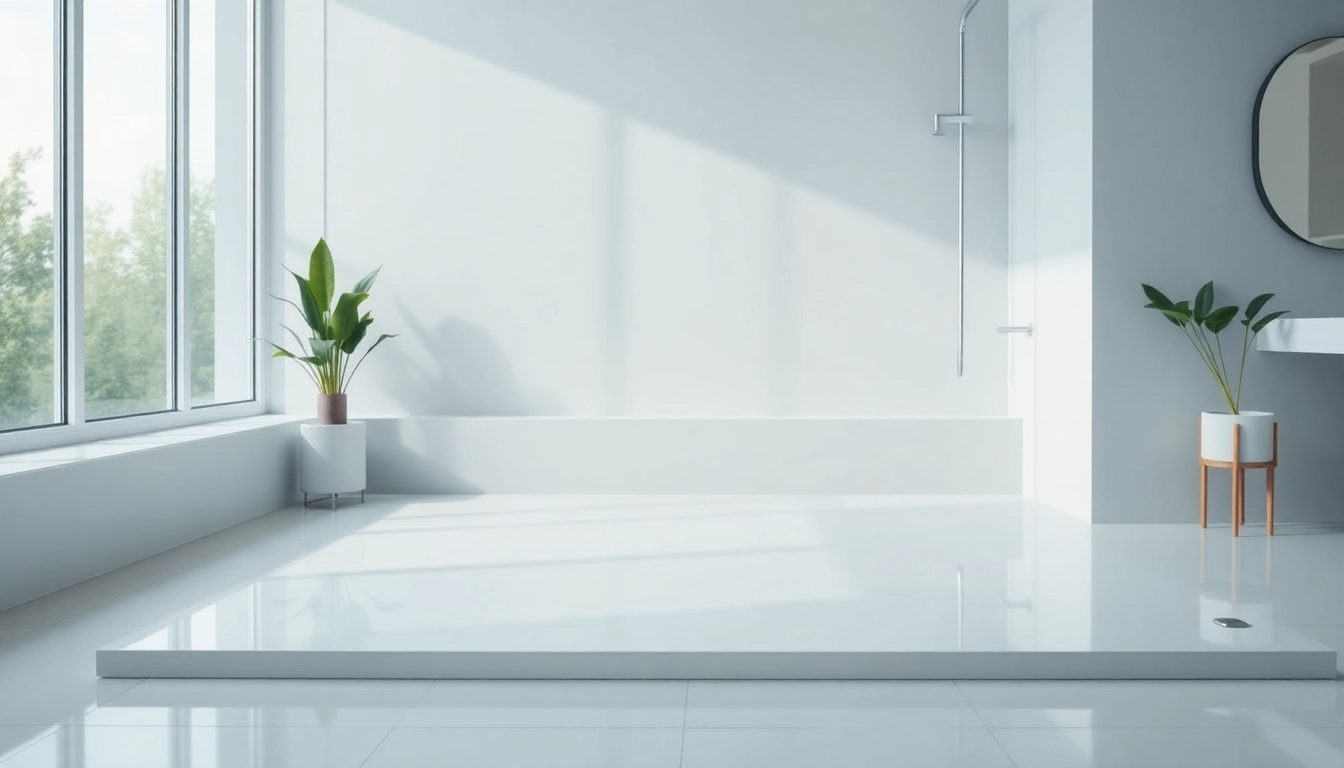
Understanding the Importance of Shower Base
What is a Shower Base?
A shower base is a vital component of any shower system, serving as the foundation for your shower area. It is a pre-formed structure that holds the floor of the shower, typically designed to contain water and direct it effectively toward the drain. The shower base can come in various shapes, sizes, and materials, impacting both functionality and aesthetic appeal. Understanding the function and significance of a shower base is the first step towards creating a comfortable and visually pleasing bathroom.
Benefits of Choosing the Right Shower Base
Selecting the appropriate shower base is critical for numerous reasons. A well-chosen shower base enhances water drainage, minimizes maintenance issues, and can contribute to the overall design of your bathroom. Here are some key benefits:
- Water Containment: A suitable shower base effectively contains water, preventing leaks and moisture damage to surrounding areas.
- Easy Maintenance: Depending on the material, certain shower bases are easier to clean and maintain, reducing the time and effort needed to keep your shower space hygienic.
- Safety: Some shower bases come with non-slip surfaces, enhancing safety and reducing the risk of falls.
- Design Flexibility: With various designs available, you can choose a shower base that complements your overall bathroom aesthetic.
- Durability: A high-quality shower base can withstand the daily wear and tear of bathing activities, ensuring a long lifespan.
Common Materials Used for Shower Bases
Shower bases are typically made from several different materials, each with its pros and cons. Understanding these options can help you make an informed choice:
- Acrylic: Lightweight, easy to install, and available in various colors. Acrylic shower bases are durable but can be prone to scratches.
- Fiberglass: An affordable option that is easy to mold and customize. However, fiberglass bases can fade over time and may need replacement sooner than other materials.
- Stone: This includes natural stones like marble or granite, known for their durability and elegance. Stone bases are often heavier and may require extra support during installation.
- Composite Materials: These engineered products blend different materials to enhance durability and resistance to wear and stains.
Types of Shower Bases Available
Acrylic vs. Fiberglass Shower Bases
A common debate when choosing a shower base is whether to go with acrylic or fiberglass. Both materials have their merits:
- Acrylic: Known for its smooth surface and variety of colors, acrylic bases are sturdy and relatively easy to clean. They do not retain heat, which helps in avoiding mold growth. They can, however, be more expensive.
- Fiberglass: While generally cheaper, fiberglass bases can be less durable and more challenging to repair if they suffer damage. They can also have a less appealing finish compared to acrylic.
Heavy-Duty Stone Shower Bases
Heavy-duty stone shower bases are ideal for homeowners seeking a luxurious aesthetic and unparalleled durability. Stone bases come in various finishes and can be cut to fit custom shower designs. They resist scratches and severe wear and tear, making them a worthy investment for those wanting an upscale bathroom look.
Custom Shower Bases: When to Consider?
Custom shower bases are tailored to fit specific dimensions or design features of your shower space. Homeowners should consider a custom shower base when:
- The existing space has unusual dimensions or layout.
- You desire a specific style or finish not available in standard pre-made bases.
- You want to integrate unique design elements like benches or built-in shelves.
Installation Guide for Your Shower Base
Preparation Steps Before Installation
Proper preparation can significantly ease the shower base installation process. Follow these essential steps:
- Measure the shower area accurately to ensure the new base fits perfectly.
- Decide on the drain placement based on your plumbing system.
- Ensure the subfloor is level and clean to avoid complications during installation.
- Gather all necessary tools and materials before beginning the installation.
Tools and Materials Needed
Before starting the installation, ensure you have the following tools and materials at hand:
- Level
- Measuring tape
- Circular saw (if cutting is required)
- Mortar (for setting the base)
- Caulk or sealant
- Drill
- Screwdrivers
- Safety gear (gloves, safety glasses)
Step-by-Step Installation Process
Installing a shower base requires careful attention to detail. Follow these steps:
- Prepare the Area: Remove any old fixtures and debris from the shower space.
- Lay the Mortar: Spread mortar on the subfloor where the shower base will sit. This provides extra support and ensures a level base.
- Install the Base: Carefully set the shower base onto the mortar bed, adjusting as necessary to maintain a level.
- Connect the Drain: Install the drain according to the manufacturer's instructions, ensuring it's securely fastened and sealed.
- Final Touches: Once the adhesive has cured, caulk the seams around the edges of the shower base to prevent water seepage.
Maintenance Tips for Your Shower Base
Cleaning Best Practices
To maintain your shower base effectively, follow these cleaning practices:
- Regularly wipe down the surface after use to prevent soap scum buildup.
- Utilize non-abrasive cleaning products to avoid scratching the surface.
- Group cleaning duties to promote a routine, maintaining overall hygiene.
Preventing Damage and Stains
Preventing damage and potential stains involves proactive measures such as:
- Using a bath mat or rug to absorb excess water and protect the base.
- Avoiding harsh chemicals that may degrade the material.
- Inspecting the base periodically for cracks or chips to address minor issues before they escalate.
When to Consider Replacement
A shower base may need replacing if you notice signs of significant wear such as:
- Cracks that allow water to seep through, potentially causing structural damage.
- Persistent staining that does not respond to regular cleaning.
- Uneven surfaces that create tripping hazards.
Frequently Asked Questions about Shower Base
How do I choose the right shower base size?
Choosing the right shower base size involves measuring your shower area accurately and considering any additional features like shower doors or shelving that may affect the dimensions.
Is it possible to install a shower base over tile?
Yes, you can install a shower base over tile, but ensure the tile is secure and level. Consider adding a cement board or similar base for added stability.
What maintenance does a shower base require?
Regular cleaning with non-abrasive products, preventing hard water stains, and inspecting for cracks or damage are essential for maintaining your shower base.
Can I customize my shower base?
Yes, many manufacturers offer custom shower bases tailored to your specific dimensions and design preferences, allowing for unique layouts.
How long does a shower base last?
With proper maintenance, a shower base can last anywhere from 10 to 30 years, depending on the material and quality, as well as the usage and care it receives.