
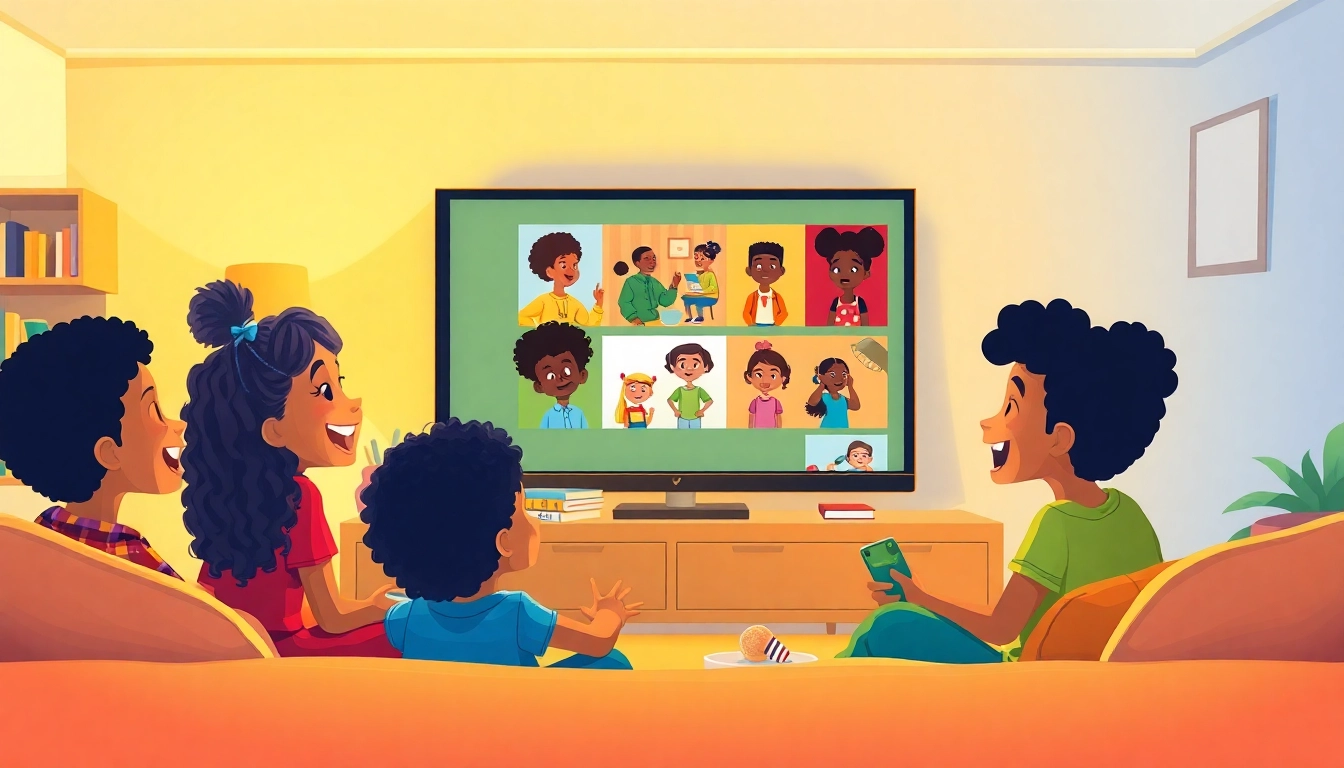
Understanding African American Cartoons
The world of animation has evolved significantly over the decades, with African American cartoons playing a crucial role in reflecting cultural narratives and diverse experiences. From their inception, these cartoons have tackled various themes, including identity, community, and social commentary, making them a significant part of American pop culture. Exploring the landscape of African American Cartoons, we uncover the artistic visions of numerous creators and how they have influenced generations of viewers.
The Historical Context of African American Animation
The journey of African American animation can be traced back to the early 20th century, where racial stereotypes dominated the cartoon landscape. It wasn't until the late 1960s and early 1970s that black animation began to carve out a distinct identity, moving beyond caricatures to represent more nuanced characters and stories. Significant milestones include "Fat Albert and the Cosby Kids," created by Bill Cosby in 1972, which not only entertained but also educated audiences on social issues affecting the African American community.
Key Themes and Messages in African American Cartoons
Themes of resilience, family, and social justice frequently surface in African American cartoons. Shows like "The Boondocks," created by Aaron McGruder, use satire to address systemic racism and cultural identity. This style of storytelling resonates deeply with audiences, offering a space for reflection and discussion on pressing social issues. As the animation landscape continues to evolve, these themes remain relevant, encouraging younger viewers to engage with their cultural heritage.
Representation and Diversity in Animated Shows
Representation is a key pillar in the realm of animation. African American cartoons not only provide visibility for black culture but also foster understanding and empathy among diverse audiences. Recent productions such as "Craig of the Creek" and "The Proud Family: Louder and Prouder" exemplify this shift towards inclusivity, featuring strong black characters in relatable narratives that resonate with viewers of all backgrounds. By doing so, they pave the way for future creators to explore diverse stories in a medium traditionally dominated by white narratives.
Popular African American Cartoons for Kids
As we dive into the realm of children's animation, it's essential to highlight series that have left an indelible mark on young audiences. These shows not only provide entertainment but also present valuable lessons about identity and community.
Iconic Series that Shaped Generations
Several African American cartoons have become iconic over the years, influencing not just children but also entire generations. "The Proud Family," which initially aired in 2001, featured a lively cast of characters navigating the complexities of adolescence within an African American family. Similarly, "Doc McStuffins" broke new ground by showcasing a black female protagonist in a role that encourages compassion and problem-solving in young viewers.
Educational Values in Recent Cartoons
In recent years, there has been a notable increase in cartoons that blend entertainment with education, particularly those featuring African American characters. Series like "Motown Magic" not only entertain children but also introduce them to the rich legacy of Motown music while teaching them about friendship and creativity. This shift towards educational content is crucial for fostering informed, empathetic future generations.
Top Picks for Family Viewing in 2026
Looking ahead, the landscape of African American cartoons continues to promise exciting content for families. Upcoming shows like "Young, Black & Amazing!" aim to celebrate black youth and their contributions to society. With an emphasis on strong narratives and positive role models, these series are set to become essential viewing for families seeking quality entertainment that aligns with their values.
Character Deep Dives
Diving into the characters that populate these cartoons reveals a rich tapestry of identities, personalities, and cultural significance. Understanding these characters provides insights into how they contribute to broader societal narratives.
The Evolution of Black Cartoon Characters
The evolution of black cartoon characters reflects changing attitudes towards race and representation in media. Characters such as Huey and Riley Freeman from "The Boondocks" are emblematic of a new era, where black characters are not merely sidekicks or comic relief but central figures grappling with complex issues and engaging in critical dialogue. This shift has not only elevated the status of black characters in animation but has also paved the way for more authentic storytelling.
Summarizing Character Traits and Contributions
Characters like Frozone from Pixar’s "The Incredibles" illustrate the importance of portraying black characters in empowered roles. His portrayal as a superhero contributes to breaking down barriers and stereotypes often associated with black male figures in media. Additionally, characters in shows like "The Proud Family" display family dynamics that resonate deeply within the African American community, highlighting the significance of familial bonds and cultural traditions.
Impact on Cultural Identity and Representation
The representation of black cartoon characters has profound implications for cultural identity. By showcasing diverse stories and experiences, these characters serve not only as role models for young viewers but also contribute to a greater understanding of black culture among broader audiences. This cross-cultural exchange is essential for fostering inclusivity and encouraging discussions around diversity and identity.
How African American Cartoons Shape Young Minds
Beyond entertainment, African American cartoons play a pivotal role in shaping young minds. They provide viewers with tools to navigate their own identities while learning about broader societal issues.
Influencing Creativity and Imagination
The imaginative worlds crafted within African American cartoons inspire creativity among young audiences. By presenting unique narratives and vibrant animations, these shows encourage children to dream big and explore their artistic talents. Programs like "Bino and Fino" are instrumental in promoting creativity while simultaneously educating children about African cultures and languages.
The Role of Humor and Storytelling
Humor serves as a vital element in many African American cartoons, acting as a bridge to address difficult subjects. Through clever storytelling, shows like "The Boondocks" employ humor to engage viewers in social critique, making it easier for younger audiences to digest complex themes. This blend of humor and poignant messages empowers children to think critically about the world around them.
Lessons on Social Issues and Community Engagement
African American cartoons often tackle pressing social issues, fostering awareness and encouraging community engagement among young viewers. Shows like "Doc McStuffins" teach empathy and compassion, while "The Proud Family" addresses themes of identity and belonging. These narratives emphasize the importance of community and inspire children to become active participants in societal dialogue.
The Future of African American Animation
The future holds exciting possibilities for African American animation, as emerging creators push boundaries and explore new technologies and storytelling methods.
Emerging Trends in Animation Style and Technology
As technology advances, the animation industry is witnessing a transformation in how stories are told. Innovations such as augmented reality and interactive elements are set to revolutionize the viewing experience. Upcoming projects harnessing these technologies are likely to offer immersive experiences, allowing audiences to engage with narratives like never before.
Anticipated Developments in 2026 and Beyond
As we approach 2026, the demand for diverse content continues to grow, pushing creators to explore new narratives and characters. Anticipated developments include a surge in content that highlights the contributions of African American women in animation, addressing the need for gender representation alongside racial diversity. This renewed focus will enrich storytelling and inspire future generations of creators.
How to Support Diversity in Animation
Supporting diversity in animation extends beyond viewers—industry professionals, creators, and audiences all play a role. Advocating for inclusive storytelling, engaging with diverse content, and supporting platforms that prioritize representation can lead to meaningful change. By amplifying diverse voices and stories, the animation landscape can continue to evolve, reflecting the rich tapestry of human experience.