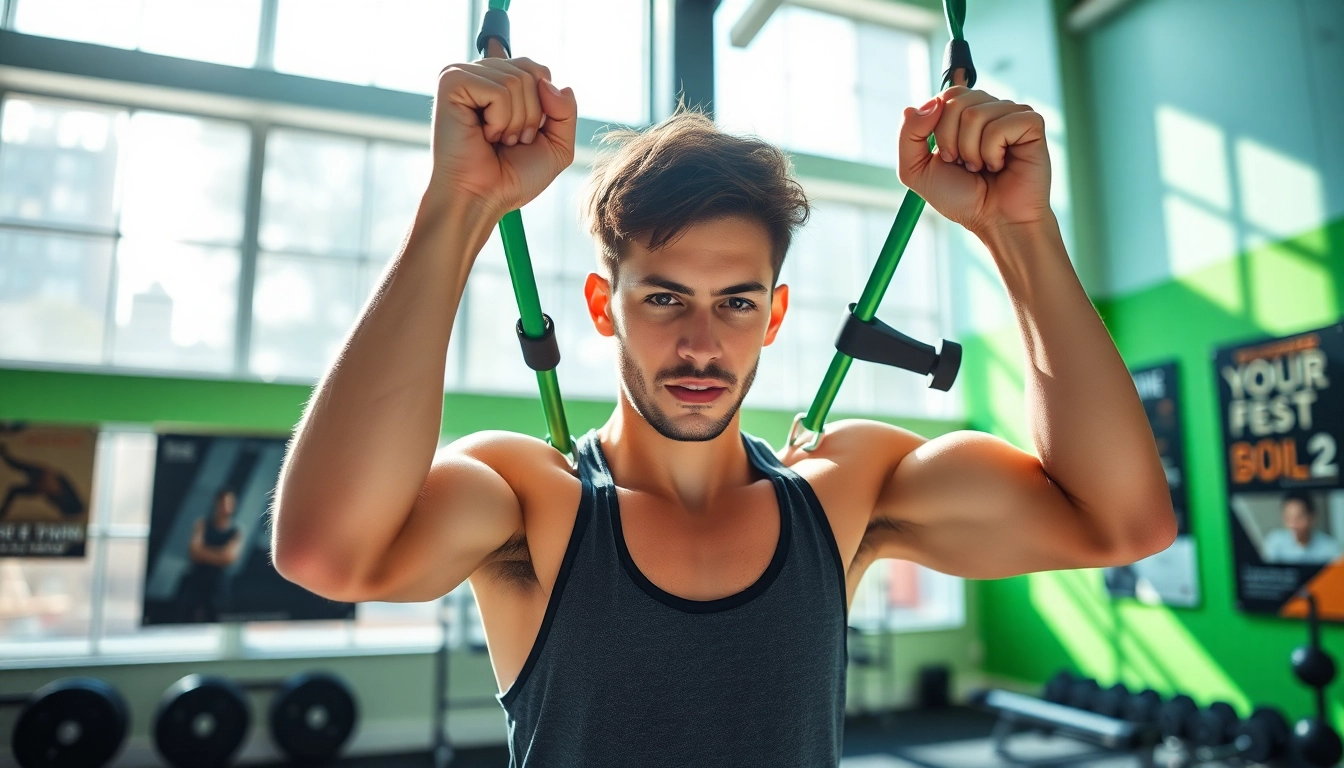
Understanding Assisted Pull-Up Bands
In the world of strength training, assisted pull-up bands have emerged as a transformative tool for athletes and fitness enthusiasts alike. These versatile bands provide crucial support to individuals working towards mastering the pull-up, one of the most coveted bodyweight exercises. Whether you’re just starting your fitness journey or you’re a seasoned athlete looking to refine your skills, understanding how to effectively use these bands can significantly enhance your workouts.
What Are Assisted Pull-Up Bands?
Assisted pull-up bands are elastic bands designed to provide support during pull-up exercises. They are available in various sizes and thicknesses, allowing users to select the appropriate level of assistance based on their strength and fitness goals. By using these bands, individuals can achieve better form and progressively build the strength necessary to perform unassisted pull-ups.
How Assisted Pull-Up Bands Work for Strength Training
The basic principle behind assisted pull-up bands is simple: by reducing the weight your muscles have to lift, these bands enable users to focus on the movement and develop the necessary muscle groups involved in a pull-up. As you pull yourself up, the band assists by counteracting a portion of your body weight, allowing you to complete the exercise with proper form. This not only helps in building muscle strength but also enhances muscle endurance over time.
Benefits of Using Assisted Pull-Up Bands in Your Routine
Incorporating assisted pull-up bands into your workout routine comes with several benefits:
- Progressive Overload: They allow for progressive strength training, making it easier to gradually decrease the level of assistance as your strength improves.
- Improved Form: By providing support, these bands help maintain proper alignment and technique, which is crucial for preventing injuries.
- Versatility: Beyond pull-ups, these bands can be used for various exercises, including dips and other bodyweight movements.
- Accessibility: They are suitable for all fitness levels, making them an excellent choice for beginners and advanced athletes alike.
Choosing the Right Assisted Pull-Up Bands
When exploring options for assisted pull-up bands, it’s essential to consider several factors that can enhance your training experience.
Factors to Consider When Selecting Assisted Pull-Up Bands
There are numerous factors to consider when choosing the right assisted pull-up bands for your needs:
- Thickness: The thicker the band, the more support it provides. Beginners may want to start with thicker bands, while advanced users can opt for thinner ones to increase resistance.
- Length: Ensure the band is long enough to accommodate your height and workout style.
- Durability: Look for bands made from high-quality materials that can withstand repeated use without losing elasticity.
- Grip Options: Some bands come with handles or loops for better grip; consider these based on your comfort preferences.
Top Brands for Assisted Pull-Up Bands in 2026
As of 2026, several brands are leading the market for assisted pull-up bands:
- Rogue Fitness: Known for their durable and high-quality bands.
- Resistance Band Company: Offers a comprehensive range of resistance levels.
- Physix Gear: Their bands are popular for being user-friendly and effective.
- Bodylastics: Offers versatile bands suitable for a variety of exercises.
Common Mistakes When Purchasing Bands
When shopping for assisted pull-up bands, it’s important to avoid common pitfalls:
- Purchasing the wrong thickness for your strength level can hinder progress.
- Ignoring customer reviews may lead to acquiring low-quality products.
- Not considering the intended use — some bands are better suited for specific exercises than others.
Techniques for Effective Use of Assisted Pull-Up Bands
Maximizing the effectiveness of assisted pull-up bands requires attention to technique and form.
Proper Form and Setup for Assisted Pull-Ups
To ensure safety and effectiveness during assisted pull-ups, adhere to the following setup and form guidelines:
- Setup: Loop the band around the pull-up bar, ensuring it is secure. Place your knees or feet in the band, depending on your size and comfort.
- Grip: Use an overhand grip that is shoulder-width apart on the bar.
- Movement: Engage your core as you pull yourself up, maintaining a straight line from your head to your feet. Slowly lower yourself down to maximize muscle engagement.
Adjusting Resistance: Finding Your Optimal Level
Understanding how to adjust the resistance provided by the bands is crucial:
- Start with a thicker band for additional support as you build strength.
- Gradually transition to thinner bands as you become more comfortable with the movement.
- Incorporate unassisted pull-ups into your routine to gauge your progress.
Integrating Assisted Pull-Ups Into Your Workout Routine
Incorporate assisted pull-ups into your strength training regimen by combining them with other exercises:
- Warm-Up: Include dynamic stretches targeting your shoulders and back to prepare for the workout.
- Supersets: Pair assisted pull-ups with other upper body exercises like push-ups or rows to maximize efficiency.
- Cool Down: Always perform static stretches after your workout to increase flexibility and aid recovery.
Maximizing Results with Assisted Pull-Up Bands
To achieve the best results possible from your training, consider these strategies.
Complementary Exercises to Enhance Pull-Up Performance
In addition to assisted pull-ups, certain exercises can help build strength:
- Lat Pulldowns: Focus on the same muscle groups to enhance pull-up performance.
- Seated Rows: Develop back strength, which is crucial for pull-ups.
- Core Exercises: Strong core muscles are vital for maintaining stability during pull-ups.
Tracking Progress and Adjusting Your Training Plan
Monitoring your progress is essential for continual improvement:
- Keep a workout journal to log the number of sets, reps, and any adjustments in band thickness.
- Set specific, measurable goals for each training session to stay focused.
- Regularly assess your form and strength to determine when to decrease assistance from bands.
Case Studies: Real-Life Success with Assisted Pull-Up Bands
Many fitness enthusiasts have seen dramatic improvements using assisted pull-up bands:
- John, a 28-year-old novice: After six weeks of training three times a week with assisted bands, he successfully completed his first unassisted pull-up.
- Emily, a fitness instructor: Used bands to rehabilitate an arm injury, allowing her to regain strength and improve her overall performance.
Future Trends in Fitness: Assisted Pull-Up Bands
The fitness landscape is constantly evolving, with new innovations and trends emerging each year.
Innovations in Resistance Band Technology for 2026
Future advancements in assisted pull-up bands may include:
- Smart Bands: Incorporating sensors to track performance metrics in real-time.
- Eco-Friendly Materials: Greater focus on sustainable, biodegradable bands that do not compromise on quality.
- Customization: Allowing users to adjust resistance levels digitally via mobile devices.
Predictions for Assisted Pull-Up Band Usage in Fitness Communities
As resistance training continues to gain popularity, assisted pull-up bands are expected to expand their reach:
- Increased use in home workouts as people seek effective and space-saving options.
- More fitness programs integrating band-assisted exercises for clients of all fitness levels.
Expert Insights: Fitness Professionals on Pull-Up Training
Experts agree that assisted pull-up bands play a vital role in training:
- Personal trainers emphasize their ability to help clients achieve pull-ups without compromising form.
- Physical therapists recommend bands for rehabilitation and strength training, encouraging a holistic approach to fitness.