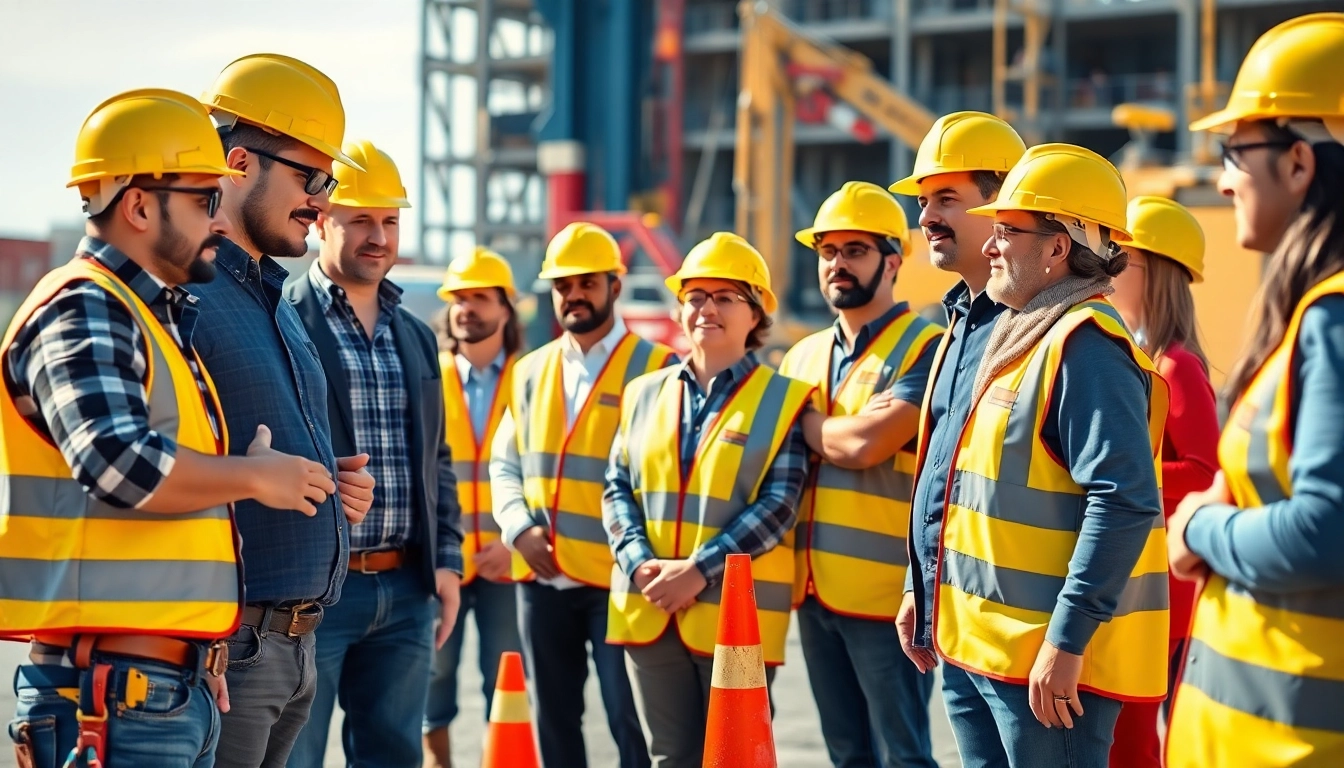
Understanding Construction Safety Training
Construction is one of the most demanding and hazardous professions, with a significant risk of accidents that can result in serious injuries or even fatalities. Because of these risks, construction safety training has become an essential component of any construction project. Effective training programs not only ensure the safety of workers but also boost productivity and morale, fostering a culture of safety on-site. In this article, we will explore the importance of construction safety training, its key components, common hazards addressed, best practices for implementation, legal compliance, advancements in training technology, and how to measure its impact.
Importance of Construction Safety Training
Construction safety training is crucial for several reasons. Firstly, it helps to cultivate a safe work environment, reducing the incidence of workplace injuries. According to OSHA, there are over 150,000 injuries reported in construction each year, most of which can be mitigated through appropriate safety training. Secondly, organizations that prioritize safety training often see financial benefits, including lower workers' compensation premiums and increased operational efficiency. Lastly, fostering a safety culture can significantly enhance employee morale and retention as workers feel valued and protected.
Key Components of Effective Training Programs
For construction safety training to be effective, it must encompass several key components:
- Initial Orientation: New employees should receive comprehensive safety orientation that highlights company policies, procedures, and expectations regarding health and safety.
- Regular Training Updates: Safety protocols change, and as such, training should be ongoing. Regular updates ensure that workers are aware of new hazards and best practices.
- Job-Specific Training: Tailoring safety training to specific roles enhances its relevance. Workers should be educated on hazards specific to their tasks and how to mitigate those risks.
- Emergency Response Training: Employees should be well-versed in emergency protocols, including evacuation procedures and use of safety equipment.
Common Hazards Addressed in Safety Training
Construction safety training addresses a wide range of hazards prevalent on job sites. Some common hazards include:
- Falls: As one of the leading causes of injury, training must focus on fall prevention measures like proper use of harnesses and scaffolding safety standards.
- Electrical Hazards: Training should cover safe handling of electrical tools and awareness of potential electrocution risks.
- Heavy Machinery Operation: Workers operating cranes, forklifts, and other heavy equipment require specialized training to prevent accidents.
- Hazardous Materials: Employees should be educated on correctly identifying and handling hazardous materials, including understanding Safety Data Sheets (SDS).
Best Practices for Implementing Training
Implementing effective construction safety training requires strategic planning and execution. Here are some best practices to consider:
Engaging Methods for Safety Training Delivery
Training delivery has a significant impact on engagement and retention. Utilizing a variety of instructional methods can improve learner engagement. Techniques such as interactive workshops, group discussions, and audio-visual presentations can create a more dynamic learning environment. Additionally, incorporating real-life scenarios and case studies allows workers to relate the training to their specific experiences, making the lessons more memorable. Employers should also consider using gamification and incentives to motivate participation and completion rates in training programs.
Incorporating Hands-On Training Techniques
Hands-on training is particularly beneficial in construction safety training as it allows employees to practice skills in a controlled environment. Simulations of real-life scenarios using props, mock-ups, or virtual training software can enhance understanding and confidence. For instance, practicing fall protection measures using full-scale safety gear builds familiarity and improves response times in actual incidents. It's essential to ensure that hands-on activities are closely supervised by experienced trainers to provide immediate feedback and address any misconceptions promptly.
Evaluating Training Effectiveness and Adaptation
The effectiveness of construction safety training must be continually assessed. Tools such as assessments, surveys, and performance metrics can yield insights into how well employees are grasping safety concepts. Employers should collect feedback from participants to identify gaps in knowledge and areas for improvement. By reviewing incident reports and observing safety performance on-site, organizations can adapt and modify training programs to better address the evolving needs of their workforce and the nature of the work being done.
Legal Requirements and Compliance in Training
Construction companies must comply with federal and state regulations concerning safety training to avoid severe legal ramifications. This section touches on the most important aspects of compliance in construction safety training.
OSHA Standards for Construction Safety
The Occupational Safety and Health Administration (OSHA) establishes key standards that construction companies must adhere to, encompassing a wide range of safety issues. Notable OSHA regulations include:
- 29 CFR 1926: This code outlines the general safety and health provisions specifically applicable to the construction industry.
- Fall Protection (1926.501): Employers are required to ensure that fall protection systems are provided for all employees who are exposed to falls from heights.
- Scaffolding Standards (1926.451): Regulations concerning the use of scaffolding ensure that platforms are safe for workers to stand on and work from.
Compliance with these standards protects workers and minimizes the company's risk of facing expensive fines or litigation.
Record-Keeping and Documentation Practices
Proper documentation is crucial for both compliance and effective training program management. Construction companies should maintain detailed records that include:
- Training Attendance Lists: Documentation of who attended training sessions.
- Training Materials: Copies of materials and resources utilized during training.
- Assessment Results: Records of scores and results from evaluations and assessments.
- Incident Reports: Documentation of safety incidents must be preserved to evaluate training effectiveness.
This documentation not only sustains compliance with OSHA standards but serves as a valuable resource for continuous improvement efforts within safety training programs.
Consequences of Non-Compliance
Failing to comply with safety training regulations can have severe consequences. Organizations may face substantial fines that can cripple finances, as well as increased insurance costs. More critically, non-compliance can lead to workplace accidents, causing injuries or fatalities. These incidents not only affect employee welfare but can significantly damage an organization's reputation, leading to loss of contracts and trust in the community. Hence, strict adherence to safety training is non-negotiable for any successful construction business.
Advancements in Safety Training Technology
The landscape of construction safety training is continually evolving, thanks to technological advancements that enhance training efficacy and accessibility. Here are some of the latest innovations:
Virtual Reality and Simulation in Training
Virtual Reality (VR) and simulation technology have revolutionized construction safety training. VR allows trainees to immerse themselves in a realistic, risk-free environment where they can experience potential hazards and practice safety measures without real-world consequences. For instance, a VR training module may simulate a construction site where participants must identify safety violations and respond to emergencies. This experiential learning enhances retention of information while reducing the fear and anxiety often associated with real-life situations.
Online Training Modules and Accessibility
The shift towards online learning has made safety training more accessible. Online modules allow workers to complete training at their own pace, accommodating varied schedules and learning styles. Interactive quizzes and assessments embedded within the modules help reinforce key concepts. Furthermore, online training platforms can offer a wider range of topics, keeping up with the evolving safety landscape and easily updating content as regulations change.
Utilizing Mobile Apps for Safety Monitoring
Smartphone applications are emerging as indispensable tools in construction safety. Mobile apps can facilitate real-time safety monitoring by enabling workers to report hazards, conduct safety audits, and track compliance without paperwork. Some applications even integrate with wearable technology that monitors environmental conditions and alerts workers to potential dangers. These digital solutions promote a proactive approach to safety and can enable immediate responses to safety issues, minimizing risk on-site.
Measuring the Impact of Safety Training
To ensure that safety training is not only effective but continually improving, organizations must measure its impact through various means. Understanding how to adequately assess safety training can yield invaluable insights into training efficacy and workforce safety.
Key Performance Indicators for Safety Programs
Organizations should focus on specific Key Performance Indicators (KPIs) to evaluate safety training impact, such as:
- Incident Rate: Tracking the number of reportable incidents and injuries per number of hours worked.
- Training Completion Rate: The percentage of employees who successfully complete safety training programs.
- Safety Audit Results: Outcomes from regular safety audits can indicate areas for improvement and the effectiveness of the training.
Monitoring these KPIs empowers organizations to make data-driven decisions regarding the safety training process and highlight areas needing attention.
Feedback Mechanisms for Continuous Improvement
An essential aspect of measuring the effectiveness of safety training is soliciting feedback from participants. Surveys conducted post-training can provide insights into learner perceptions, helping organizations refine their content and delivery. Additionally, regular follow-ups, check-ins, and informal discussions about safety can foster an ongoing dialogue. This feedback loop reinforces a culture of continuous improvement and ensures that training remains relevant to the workers' needs.
Success Stories: Case Studies of Improved Safety
Analyzing success stories from organizations that have successfully implemented safety training can offer valuable insights. For example, XYZ Construction saw a 40% reduction in reportable injuries within a year after overhauling its safety training program, switching to a combination of immersive VR training and ongoing refresher courses. Such case studies can serve as inspiration and provide a benchmark for best practices, illustrating the direct correlation between targeted safety training and enhanced employee safety.