Understanding CNC Machined Stainless Steel Parts
CNC (Computer Numerical Control) machining is an essential technology in modern manufacturing, allowing for precision engineering of components in various sectors. One of the most sought-after materials for these processes is stainless steel, due to its exceptional properties. CNC machined stainless steel parts represent a unique blend of durability, corrosion resistance, and versatility, making them ideal for an array of applications. This article will delve into the nuances of these components, exploring their manufacturing process, benefits, challenges, and future trends.
What are CNC Machined Stainless Steel Parts?
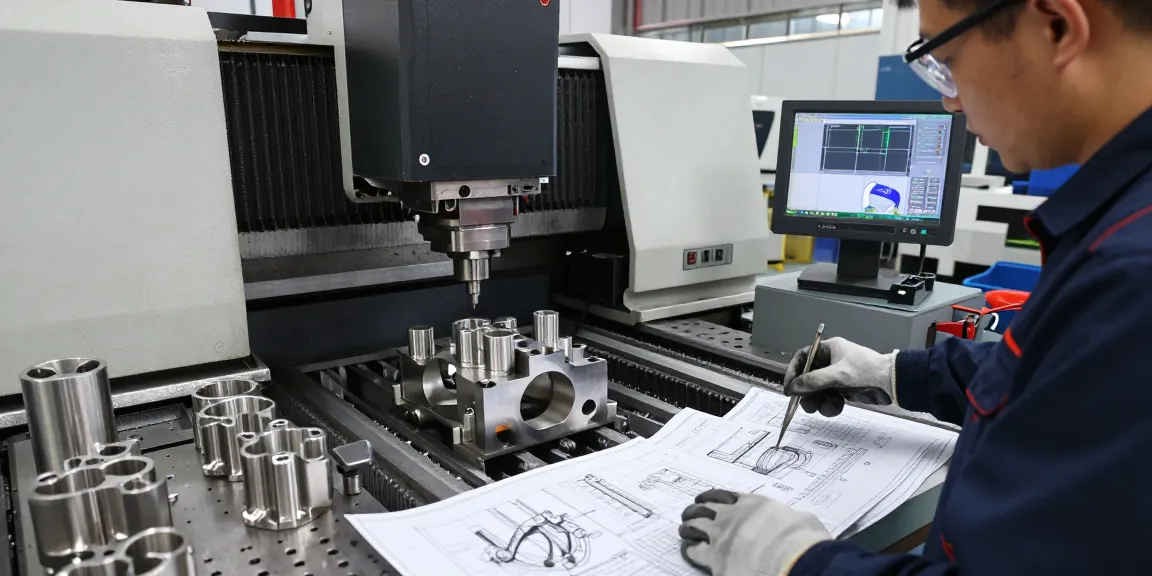
CNC machined stainless steel parts are components that are produced through a meticulous process of removing material from a solid block of stainless steel. This process involves the use of programmable software that directs machine tools with high precision, allowing for intricate designs and specifications. Stainless steel parts can come in various grades, including 304 and 316, each offering distinct advantages based on their chemical composition and mechanical properties.
Applications Across Various Industries
The versatility of CNC machined stainless steel parts makes them suitable for numerous industries:
- Aerospace: Used for structural components where weight reduction and high strength are crucial.
- Medical: Components like surgical instruments and implantable devices benefit from stainless steel's corrosion resistance and biocompatibility.
- Food and Beverage: Equipment that requires high cleanliness standards utilizes stainless steel for its hygienic properties.
- Automotive: Parts such as exhaust systems and connectors are often made from stainless steel for their durability and resistance to harsh environments.
Materials and Specifications Involved
When selecting stainless steel for CNC machining, understanding the specific grades is vital. For instance, 304 stainless steel is commonly used for its excellent corrosion resistance, while 316 stainless steel is preferred for marine environments due to its higher resistance to pitting and chloride corrosion. Detailed specifications such as tensile strength, yield strength, and elongation will further dictate the choice of material based on the application's requirements.
Benefits of Using CNC Machined Stainless Steel Parts
Precision and Accuracy in Manufacturing
One of the primary advantages of CNC machining is the unparalleled precision it offers. Computer control allows for extremely tight tolerances, ensuring that each part is manufactured to exact specifications. This precision not only enhances the performance of the components but also minimizes waste during production.
Cost-Effectiveness Over Time
While the initial investment in CNC machined stainless steel parts may be higher compared to other materials, the long-term savings are significant. Stainless steel's durability leads to lower replacement costs and maintenance needs over time, making it a cost-effective solution for many industries.
Corrosion Resistance and Durability
Stainless steel's inherent properties provide excellent resistance to rust and corrosion, extending the lifespan of components significantly. In environments exposed to moisture and chemicals, choosing CNC machined stainless steel parts can prevent detrimental effects that would compromise function and reliability.
Challenges and Considerations in CNC Machining
Common Misconceptions About CNC Machining
Despite its advantages, there are misconceptions surrounding CNC machining, such as the belief that it is only suitable for mass production. In reality, CNC machining can be highly effective for small runs and prototyping, offering flexibility that supports custom solutions.
Technical Limitations and Solutions
While CNC machining excels in precision, it has technical limitations such as the complexity of designs that can be machined. Some intricate geometries may require advanced machine tools or additional processes, such as wire EDM (Electrical Discharge Machining), to achieve the necessary detail. Choosing a manufacturer with diverse capabilities can mitigate these limitations.
Finding the Right Manufacturer
Selecting the right manufacturer is crucial for achieving optimal results. Look for companies with extensive experience in CNC machining stainless steel parts and a portfolio that showcases their capabilities in producing high-quality components. Additionally, consider their quality control processes to ensure consistency and reliability.
Best Practices for CNC Machined Stainless Steel Parts
Designing for CNC Machining
Effective design is key to maximizing the potential of CNC machining. Designers should consider aspects such as wall thickness, radius corners, and features that facilitate easy machining. Collaboration with the manufacturer at the design stage can lead to innovations that enhance manufacturability and performance.
Material Selection Process
Choosing the right material involves evaluating the application's specific demands, such as strength, corrosion resistance, and thermal properties. Engaging experts during the selection phase can ensure that the material chosen aligns with the performance requirements and budget constraints of the project.
Quality Control Measures
Implementing stringent quality control measures throughout the manufacturing process is vital. Techniques like statistical process control (SPC) can monitor production variables and detect variations, ensuring that the end products meet all specifications and performance criteria.
Future Trends in CNC Machined Stainless Steel Parts
Emerging Technologies in CNC Machining by 2026
The future of CNC machining is poised for innovation, with advancements in automation and artificial intelligence (AI) playing pivotal roles. These technologies can enhance efficiency, reduce manpower costs, and improve precision, making the manufacturing process faster and more reliable.
Shifts in Market Demand
As industries become more aware of sustainability, there is a growing demand for eco-friendly machining practices. Manufacturers are increasingly adopting green technologies and materials that minimize environmental impact, setting trends that align with contemporary consumer values.
Sustainability Practices in Manufacturing
Incorporating sustainability into manufacturing processes is becoming non-negotiable. CNC machining companies are exploring ways to recycle scrap material, use energy-efficient machines, and implement waste reduction techniques, thereby minimizing their ecological footprint.
What is the cost of CNC machined stainless steel parts?
The cost of CNC machined stainless steel parts can vary widely based on factors like material choice, complexity of the design, and production volume. Typically, custom parts may cost more initially, but long-term savings from durability and low maintenance can offset these expenses.
How long does it take to machine stainless steel parts?
Lead times for CNC machining stainless steel parts are influenced by various factors, including the complexity of the design and current workload of the manufacturer. Generally, parts can be produced within a few days to several weeks, depending on these factors.
What industries benefit from CNC machined stainless steel parts?
Industries such as aerospace, medical, and food processing are prime beneficiaries of CNC machined stainless steel parts due to the specific needs for precision, durability, and hygiene in their operations.
What are the advantages of custom CNC machined parts?
Custom CNC machined parts provide the benefit of tailored solutions that meet unique specifications. This customization leads to enhanced performance, better integration with existing systems, and overall greater satisfaction for end-users.
How do I choose a CNC machining partner?
When choosing a CNC machining partner, consider factors such as their experience in your industry, the range of technologies they utilize, and their commitment to quality. Establishing clear communication and understanding their capabilities will ensure a productive partnership.