Introduction to the Manaslu Trek
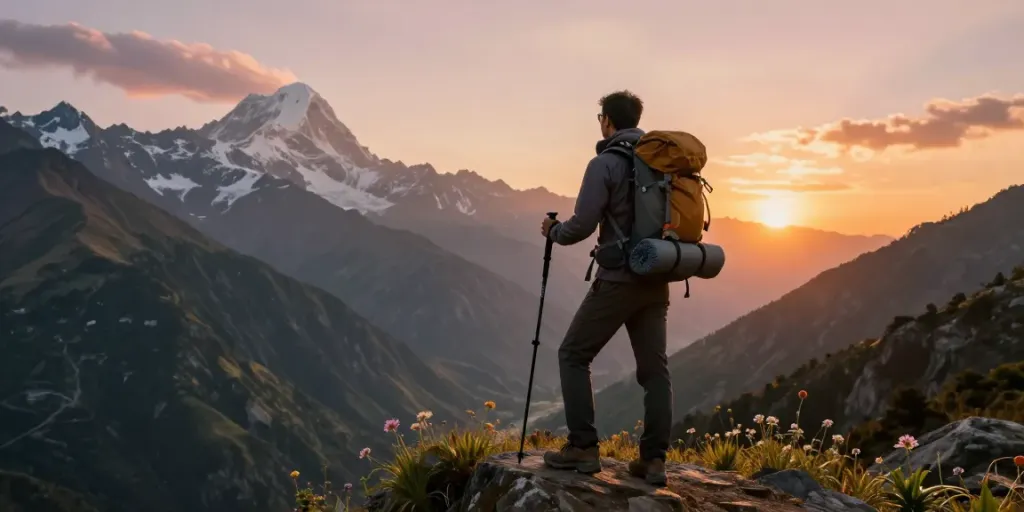
The Manaslu Trek is a awe-inspiring journey through the majestic landscapes of Nepal, taking adventurers around the world's eighth-highest mountain, Mount Manaslu (8,163 m/26,781 ft). This trek is not just about the stunning views; it is a cultural immersion into the rich traditions and lifestyle of the local communities. As trekkers make their way through remote villages and serene landscapes, they experience the harmonious blend of nature and culture that defines this region. The trek offers a unique opportunity to witness the breathtaking beauty of the Himalayas while navigating through lush forests, rugged terrains, and tranquil rivers.
What is the Manaslu Trek?
The Manaslu Trek is a circuit that circumnavigates Mount Manaslu, providing trekkers with an opportunity to experience the raw beauty and cultural richness of the Himalayas. It typically spans 15 days, with daily treks covering 15 to 20 kilometers. This trek requires a moderate level of fitness and some prior trekking experience, making it ideal for those looking to challenge themselves while still enjoying comfort. Along the way, hikers can witness the incredible biodiversity of the Manaslu Conservation Area, which is home to a variety of flora and fauna, including endangered wildlife.
Historical Significance and Routes
The historical significance of the Manaslu Trek dates back to ancient trade routes that connected Nepal and Tibet. Today, this trek not only attracts adventure seekers but also history enthusiasts who are eager to explore the rich Tibetan-influenced cultures of the region. The trek passes through various villages inhabited by the Gurung, Tibetan, and other ethnic communities, providing a glimpse into their unique traditions, languages, and lifestyles. Routes may vary slightly depending on weather conditions and local regulations, but the core experience remains consistent, encompassing the diverse terrains and breathtaking views that characterize the trek.
Comparison with Other Treks in Nepal
In comparison to popular treks like the Annapurna Circuit and Everest Base Camp, the Manaslu Trek offers a more off-the-beaten-path experience. While the Annapurna and Everest routes tend to be busier and highly commercialized, the Manaslu Circuit remains relatively serene and less crowded. This is largely due to the restricted area permits required to trek around Manaslu, which limits the number of trekkers and helps preserve the tranquil atmosphere. For those looking for solitude, breathtaking scenery, and a deep cultural experience, the Manaslu Trek is often seen as the ideal choice.
Planning Your Manaslu Trek in 2026
When planning your Manaslu Trek in 2026, several key factors need to be considered to ensure a successful and enjoyable experience. Understanding the best seasons for trekking, navigating permits, and selecting a reputable trekking company can greatly influence your adventure.
Best Seasons and Weather Conditions
The best times to embark on the Manaslu Trek are during the spring (March to May) and autumn (September to November). These seasons provide stable weather, clear skies, and moderate temperatures that contribute to an enjoyable trekking experience. Spring allows trekkers to witness the blooming of rhododendrons and other wildflowers, enhancing the picturesque views, while autumn is characterized by vibrant foliage and crystal-clear mountain vistas. Conversely, the monsoon season (June to August) brings heavy rainfall, increasing the risks of landslides and making trails slippery. Winter, while beautiful, can present harsh conditions, particularly at high altitudes.
Permits and Regulations for the Trek
To trek the Manaslu Circuit, you are required to obtain several permits: the Manaslu Restricted Area Permit (MRAP), Manaslu Conservation Area Permit (MCAP), Annapurna Conservation Area Permit (ACAP), and a TIMS (Trekkers' Information Management System) card. Acquiring these permits can be a bit complex, as they must be arranged prior to your trek, and only licensed trekking agencies can process them. It's essential to consult with your trekking company to handle these requirements efficiently and ensure compliance with local regulations.
Choosing the Right Trekking Company
When planning your Manaslu Trek, selecting a reputable trekking company is crucial for a safe and fulfilling experience. Look for companies with experienced local guides, positive traveler reviews, and a commitment to responsible tourism. They should also provide clear information about the itinerary, costs, and what to expect. Manaslu Trek offers comprehensive packages that can be customized to fit your needs, ensuring you have a memorable adventure while exploring the stunning landscapes of the Manaslu region.
Preparing Physically and Mentally for the Trek
Preparation is key to ensuring that you get the most out of your Manaslu Trek experience. Both physical fitness and mental readiness are crucial components for a successful journey through the challenging terrains of the Himalayas.
Fitness Requirements and Training Tips
The trek is classified as moderately challenging, requiring trekkers to walk for 5 to 8 hours daily, often at high altitudes. Ideally, participants should have prior trekking experience or at least be in good physical shape. Engaging in a training regimen that includes cardio, strength training, and long hikes is highly recommended. Aim to complete regular hikes on varied terrain, gradually increasing your stamina and endurance. Consulting with a fitness coach or joining a trekking preparation group can also provide valuable support.
Mental Preparation for High Altitude Trekking
Aside from physical fitness, mental preparation is equally important. Trekking at high altitudes can be psychologically challenging due to potential altitude sickness and significant changes in weather conditions. Familiarize yourself with the symptoms of altitude sickness, and understand how to recognize when to descend or seek help. Staying positive, engaged, and maintaining a flexible attitude toward the unpredictability of trekking will greatly enhance your experience.
Common Challenges and How to Overcome Them
Common challenges faced during the Manaslu Trek include altitude sickness, variable weather conditions, and physical fatigue. To mitigate these challenges, incorporate acclimatization days into your itinerary, stay hydrated, and maintain a balanced diet rich in carbohydrates and proteins. It’s also essential to listen to your body and to communicate any discomfort to your guide, as they can assist with timely interventions.
Packing Essentials for the Manaslu Trek
Packing wisely for the Manaslu Trek is crucial to ensure comfort and safety throughout your journey. Your packing list should reflect the challenge of the trek, the varied weather conditions, and the need for practical and eco-friendly choices.
Clothing and Gear Recommendations
Consider layering your clothing, as temperatures can vary significantly between day and night. Essential items include moisture-wicking base layers, insulating mid-layers, water-resistant jackets, and gloves. Opt for durable trekking boots with good ankle support and a waterproof lining. Don’t forget to pack essential gear such as trekking poles, a headlamp, and a reliable water purification system.
First Aid Kits and Safety Equipment
Bring along a well-stocked first aid kit that includes items for common trekking injuries, altitude sickness medication, and personal prescriptions. Other safety gear such as a whistle, multi-tool, and a portable altitude chamber should also be considered for emergencies, especially if you plan to trek at high altitudes.
Eco-friendly Practices While Trekking
Responsible trekking practices are essential to minimize your impact on the environment. Use biodegradable products wherever possible, dispose of waste responsibly, and stay on designated trails. Supporting local businesses and communities while trekking can also promote sustainable tourism, enriching your experience while preserving the region’s natural beauty.
Experiences and Highlights Along the Trek
The Manaslu Trek offers a plethora of cultural encounters, scenic attractions, and deeply rewarding experiences. Each day represents not just a physical journey but also a cultural immersion.
Cultural Encounters with Local Communities
Throughout the trek, you will pass through several villages including Samagaon and Lho, where you can interact with local communities. These encounters provide valuable insights into the unique lifestyles, traditions, and hospitality of the Gurung and Tibetan people. Engaging with locals, participating in cultural ceremonies, or simply sharing a meal can create lasting memories.
Scenic Attractions and Natural Beauty
The trek is adorned with stunning landscapes, from lush green valleys and terracing fields to imposing snow-capped peaks and serene lakes. Highlights include the breathtaking view of the Larkya La Pass, which offers panoramic vistas of Mount Manaslu and surrounding ranges. The trek also showcases stunning waterfalls, glacial rivers, and ancient monasteries, allowing trekkers to truly immerse themselves in both the natural and spiritual beauty of the region.
Concluding Your Trek and Future Adventures
As you conclude your Manaslu Trek, take some time to reflect on the rich experiences you've gained. The memories of breathtaking landscapes, cultural encounters, and personal challenges will stay with you long after the trek ends. Many trekkers find inspiration to continue their adventures in other parts of the world, leading to a lifelong passion for trekking and exploration, further enriched by the experience of the Manaslu Circuit.
What is the difficulty level of the Manaslu Trek?
The Manaslu Trek is generally considered moderately challenging. Trekkers should be prepared for long hiking days, rugged terrains, and high-altitude conditions. Adequate physical fitness and prior trekking experience are recommended.
What types of permits do I need for the Manaslu Trek?
You will need several permits for the Manaslu Trek, including the Manaslu restricted area permit (MRAP), Manaslu conservation area permit (MCAP), Annapurna conservation area permit (ACAP), and TIMS (Trekkers’ Information Management System) card. These permits should be arranged beforehand through a registered trekking agency.
Can I complete the trek without prior trekking experience?
While prior trekking experience is beneficial, determined hikers with good physical fitness can complete the Manaslu Trek. It is essential to prepare properly and consider hiring a guide for safety and support.
What wildlife can I expect to see on the Manaslu Trek?
The Manaslu Conservation Area is home to diverse wildlife, including snow leopards, Himalayan tahr, and various species of birds. Observing local wildlife adds an enriching element to your trekking journey.
How do I ensure my safety during the trek?
Safety can be assured by trekking with a reputable company, hiring licensed guides, following recommended safety practices, and staying aware of your health, particularly regarding altitude sickness. Regular communication with your guide and fellow trekkers is crucial for maintaining safety.