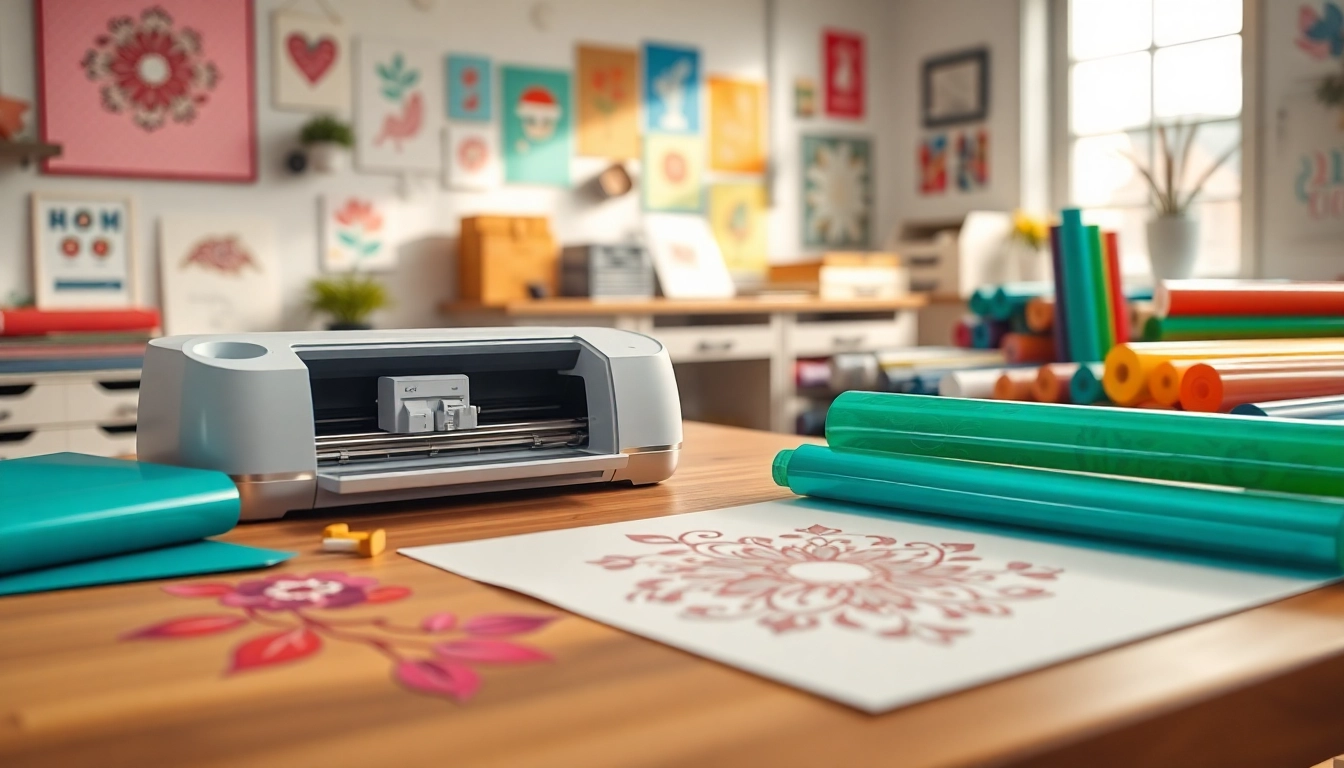
Understanding Cricut SVG: The Basics of SVG Files
In the world of crafting, Cricut SVG files have revolutionized the way enthusiasts and professionals create stunning projects. These vector-based images offer unparalleled precision and versatility when used with Cricut machines, enabling users to cut intricate designs with ease. Understanding what makes SVG files unique, their features, and how they can enhance your crafting experience is essential for both beginners and seasoned crafters alike.
What is a Cricut SVG File?
A Cricut SVG file is a type of digital graphic that adheres to the Scalable Vector Graphics (SVG) format, which is widely used in cutting machines like Cricut. Unlike raster images (like JPEGs or PNGs), SVG files are composed of paths, making them infinitely scalable without losing quality. This means when you enlarge or reduce an SVG file, it retains its crisp edges and fine details, allowing for perfect cuts every time. Cricut machines interpret these paths to cut out shapes, letters, or intricate designs from various materials like vinyl, paper, and fabric.
Key Features and Benefits of Using SVG Files
- Scalability: SVG files can be resized without loss of quality, making them suitable for a wide range of projects.
- Compatibility: They are compatible with multiple cutting machines, not just Cricut, including Silhouette and Brother ScanNCut.
- Editability: SVG files can be modified easily in design software, allowing users to create custom designs or alter existing ones.
- Precision Cutting: The vector nature of SVG files allows for precise cuts, ensuring intricate designs can be executed perfectly.
- Lightweight File Size: SVG files are generally smaller in size compared to other image formats, making them easier to store and share.
Common Misconceptions about Cricut SVGs
Many contemporary crafters have misconceptions about SVG files, often confusing them with other file types. One common myth is that SVG files are only for advanced users. In reality, a plethora of beginner-friendly SVG files are available online, and numerous tutorials guide users through the design process. Additionally, some believe that SVG files lack color detail. However, SVGs can hold color attributes and gradients, adding richness to designs. Understanding these nuances is crucial for maximizing the use of Cricut SVG files in your projects.
Finding the Best Cricut SVG Resources
When looking for high-quality Cricut SVG files, crafters have a wealth of resources at their fingertips. The right resource can make all the difference in the quality and applicability of projects, enhancing creativity and craft outcomes.
Where to Find High-Quality Cricut SVG Files
There are numerous platforms where crafters can find SVG files. Websites like Etsy, Design Bundles, and SVG Cuts offer a wide range of designs for purchase. These platforms often feature unique and specialized designs that can cater to any crafting need, from seasonal decorations to personalized gifts.
Exploring Free and Paid Cricut SVG Options
Crafters can choose between free and paid SVG files, each serving different project needs. Free options are abundant on sites like HelloSVG and Creative Fabrica, making them a great starting point for beginners. However, investing in paid SVG files typically provides higher quality and exclusive designs that may not be available elsewhere.
Evaluating SVG File Quality: What to Look For
When selecting SVG files, consider the following criteria to ensure quality:
- File Compatibility: Ensure the SVG files are compatible with your specific cutting machine.
- Design Complexity: Check the detail level and whether the file has unnecessary nodes that could complicate cutting.
- User Reviews: Look for user feedback or ratings to gauge the reliability of the design.
- Licensing: Be aware of usage rights, especially if you plan to sell products made from the designs.
Creating Custom Cricut SVG Files
Creating your own SVG files can be a rewarding experience that allows for unparalleled personalization in your projects. While it may seem daunting, a few essential tools and a straightforward approach can simplify the process significantly.
Essential Tools for Designing Your Own SVG Files
- Design Software: Programs like Adobe Illustrator, Inkscape, or CorelDRAW are popular choices for creating SVG files. They allow you to design and export graphics in the SVG format.
- Cricut Design Space: This intuitive software enables users to create and modify designs directly for their Cricut machines.
- Tablet Applications: Apps like Affinity Designer or Procreate can also be used for crafting SVG files on-the-go.
Step-by-Step Guide to Making Custom Cricut SVGs
- Choose Your Design: Start with a concept or sketch of what you want to create.
- Create the Design: Use your chosen design software to create your graphic, ensuring it’s saved as a vector format.
- Export as SVG: Save or export your design in the SVG format, making sure to optimize it for cutting.
- Upload to Cricut: Import your SVG file into Cricut Design Space to prepare it for cutting.
- Test Cutting: Always run a test cut on a scrap material to ensure accuracy before using your desired material.
Common Challenges in SVG Creation and How to Overcome Them
New designers may encounter several challenges when creating SVG files:
- File Compatibility: Ensure you're exporting in the correct format and using compatible software.
- Overly Complex Designs: Simplify your design by reducing the number of nodes and paths for easier cutting.
- Color Settings: Be mindful of color options when designing since different materials will require different colors to be effective.
Best Practices for Using Cricut SVG Files
To get the most out of your Cricut SVG files, following best practices can enhance both the cutting process and the final results of your projects.
How to Optimize Your SVG Files for Cutting
- Simplify Designs: Reduce the number of intricate details that could complicate the cutting.
- Adjust Cut Settings: Use the appropriate material settings in Cricut Design Space for optimal cutting performance.
- Test with Scrap Material: Always perform a test cut before using your main material to avoid wastage.
Tips for Mixing and Matching SVG Designs
Combining different SVG designs can create unique projects. Here are a few tips:
- Complementary Styles: Choose designs that have similar styles or themes to ensure they work well together.
- Layering Techniques: Use layering to add depth and interest to your projects.
- Color Coordination: Maintain a consistent color palette to create a cohesive look.
Maintaining Your Cricut Machine for Best Results
Routine maintenance of your Cricut machine is essential for ensuring optimal performance. Here are some key practices:
- Keep the Blades Sharp: Regularly check and replace blades to maintain precision cutting.
- Clean the Machine: Dust and debris can affect performance; make cleaning a regular part of your craft routine.
- Check Material Settings: Always ensure the correct material settings are selected for the project at hand.
Future Trends in Cricut SVG and Crafting Technology (2026 and Beyond)
As technology evolves, so do the possibilities for crafting with Cricut SVG files. Understanding upcoming trends can keep crafters ahead of the curve and enhance their creative output.
Innovations in SVG Technology for Crafters
Future innovations may include more advanced software tools that utilize artificial intelligence to assist in design creation and optimization. Additionally, the integration of augmented reality may allow crafters to visualize their projects in real-time before cutting.
Eco-Friendly Crafting Trends: Sustainable SVG Practices
As sustainability becomes a priority, expect to see an increase in eco-friendly materials and practices within the crafting community. This can include using recycled materials and sourcing SVG designs that promote sustainability themes.
Predictions for the Future of Cricut Crafting
The future of Cricut crafting is poised to be exciting. With the rise of DIY culture and increased accessibility to crafting tools, more individuals will engage in personalized projects. Furthermore, innovations in technology will likely lead to simpler, more intuitive design processes, enabling everyone to express their creativity through crafting.