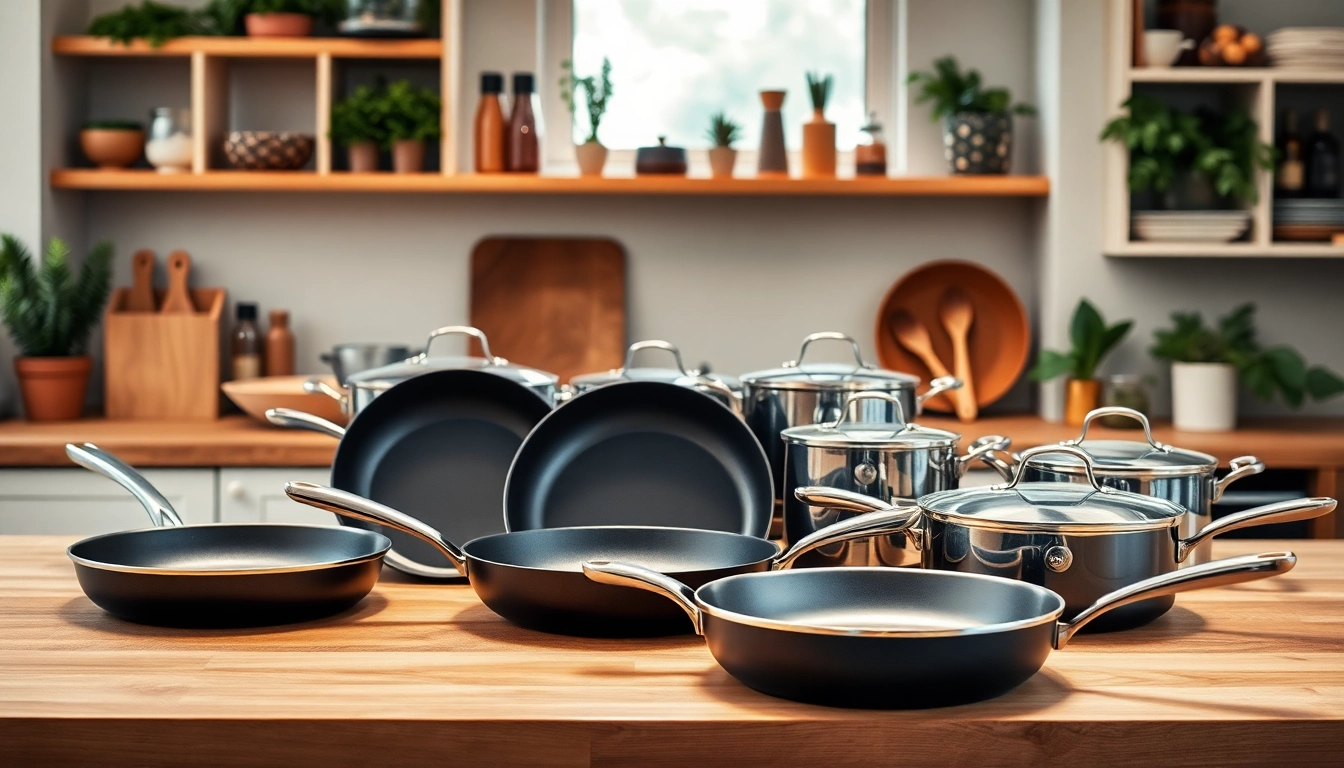
Understanding the Different Types of Cookware
Cookware serves as an essential component of any kitchen, integral to preparing a variety of dishes. With a myriad of options available, choosing the right cookware can significantly impact your cooking experience. From unique materials to specific shapes, understanding the different types of cookware is crucial for both seasoned chefs and novice cooks alike. This guide delves into the myriad options available, helping you select the best cookware to elevate your culinary skills.
Material Variants of Cookware
Cookware comes in several materials, each with its unique properties and advantages. Here’s a detailed overview of the most common types:
- Stainless Steel: Known for its durability and appealing aesthetic, stainless steel cookware is non-reactive, making it perfect for cooking acidic foods. It distributes heat evenly, ensuring efficient cooking.
- Nonstick: This type of cookware features a coating that allows food to slide off easily, making it ideal for low-fat cooking. However, nonstick pans require careful use of utensils to avoid scratches.
- Cast Iron: Renowned for excellent heat retention and non-stick properties when seasoned correctly, cast iron cookware is perfect for frying, baking, and roasting. It’s heavy but can last a lifetime if maintained properly.
- Carbon Steel: Similar to cast iron, carbon steel cookware offers a lightweight option and excellent heat conductivity. It is often used in professional kitchens and is ideal for high-heat cooking.
- Copper: Copper cookware heats quickly and evenly. It's often lined with stainless steel due to copper's reactivity with certain foods, making it perfect for precision cooking.
Size and Shape Considerations for Cookware
When selecting cookware, size and shape are equally crucial to consider. Different cooking methods often require different dimensions:
- Pans and Skillets: Available in various diameters, they are excellent for frying, sautéing, and searing.
- Pots: Deep saucepans are suitable for simmering, boiling, and preparing soups.
- Bakeware: Shapes vary from round cake pans to rectangular roasting pans, suitable for different baking needs.
- Stockpots: Essential for making large batches of sauce or soup, these are significantly taller.
Choosing the Right Cookware for Your Cooking Style
Your cooking style greatly influences the cookware you should use. For instance, if you frequently prepare health-conscious meals, nonstick or ceramic cookware may be your best choices. Meanwhile, if you're a fan of hearty meals, consider investing in durable options like cast iron. To maximize your cooking efficiency, assess your regular recipes and experiment with different types to find your perfect match.
Benefits of High-Quality Cookware
Investing in high-quality cookware offers several intrinsic benefits that can enhance your cooking experience. Here are the key advantages:
Durability and Longevity of Cookware
High-quality cookware is designed to withstand the rigors of daily use. Stainless steel and cast iron, for instance, can last for decades if properly cared for. This durability translates into better value over time, as you won’t need to frequently replace inferior products.
Health Aspects of Nonstick Cookware
Modern nonstick cookware is designed to be safer than ever, with most featuring PFOA-free coatings. This allows you to cook with less oil, leading to healthier meals. Additionally, the ease of cleaning nonstick surfaces means less time scrubbing and more time enjoying your culinary creations.
Energy Efficiency in Cookware
Using the right cookware can reduce cooking times and increase energy efficiency. For example, copper-coated pans conduct heat efficiently, meaning you can cook at lower temperatures. This not only saves energy but also helps maintain the integrity of your ingredients.
How to Care for Your Cookware
Cleaning and Maintenance Tips for Cookware
Cleansing your cookware appropriately extends its lifespan. Stainless steel can be washed in the dishwasher, but handwashing is often recommended to maintain its luster. Nonstick pans should be cleaned with soft sponges to avoid scratching. Always refer to the specific guidelines provided with each type of cookware.
Storage Solutions to Protect Your Cookware
Proper storage is vital for preventing scratches and damage. Use protective liners or cloths between stacked pots and pans to avoid scratching. Consider specialized storage or cabinetry designed for your cookware to ensure they remain in good condition.
Avoiding Common Mistakes with Cookware
To prolong the life of your cookware, avoid common pitfalls. For example, never use metal utensils on nonstick surfaces, and refrain from stovetop cooking on high heat with nonstick cookware as it can damage the coating. Proper care goes a long way in preserving your cookware.
Innovative Cookware Technologies
The cookware industry continuously evolves, integrating the latest technologies and materials. Here’s a look at some recent trends:
Latest Trends in Cookware Design
Modern cookware increasingly features designs that prioritize both aesthetics and functionality. Innovations include ergonomic handles for better grip and heat-resistant materials that make handling easier. Environmental considerations are also a driving factor, with many manufacturers focusing on sustainable materials.
Smart Cookware: Features and Benefits
Smart cookware incorporates technology that can connect to your smartphone or tablet, often providing recipes and cooking temperatures for perfect results. This advancement caters to busy individuals, making meal preparation more convenient and efficient.
Eco-friendly Cookware Options
As environmental concerns grow, many manufacturers are offering eco-friendly cookware. Options include cookware made from recycled materials and non-toxic, biodegradable coatings, ensuring that you can cook with care for your health and the planet.
Frequently Asked Questions About Cookware
What is the best material for cookware?
There isn’t a one-size-fits-all answer; the best material depends on your cooking style. Stainless steel is excellent for durability, while nonstick is perfect for low-fat meals. Cast iron retains heat well, making it ideal for searing.
How do I choose the right cookware set?
Consider your cooking habits and the foods you prepare most frequently. Look for versatile sets that include multiple sizes of pots and pans. Choose a mix of materials for various cooking techniques.
Can I use metal utensils on nonstick cookware?
It’s best to avoid metal utensils on nonstick cookware to prevent scratching the coating. Use silicone or wooden utensils instead to maintain the integrity of the surface.
How should I clean and care for my cookware?
Always follow the manufacturer's instructions. Most cookware can be washed with soap and water, but some, like cast iron, requires special care, including seasoning to maintain its non-stick properties.
What are the advantages of ceramic cookware?
Ceramic cookware is often praised for its non-reactive surface, allowing you to cook certain dishes without altering their flavor. It’s also typically free from toxic chemicals, making it a healthier choice for everyday cooking.