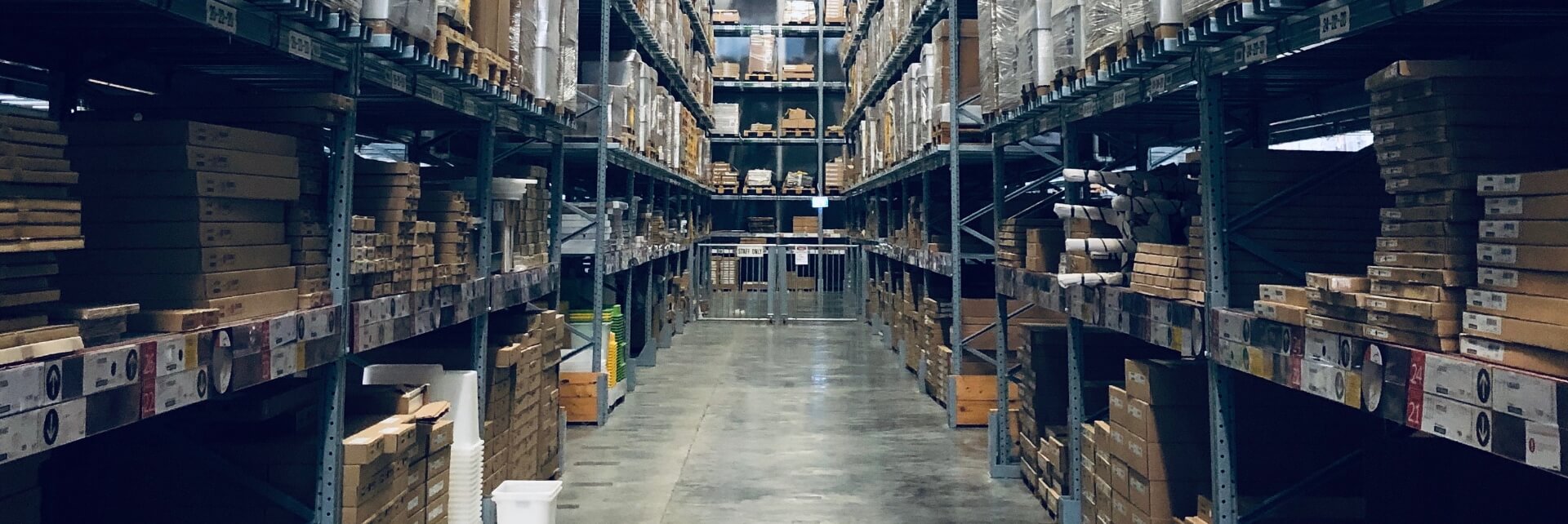
1. What is a Warehouse?
1.1 Definition and Function
A warehouse is a substantial building designed for the storage of goods and materials. Typical uses for warehouses include the storage of products before they are sold, distributed, or manufactured into other goods. At its core, a warehouse serves as an intermediary space within the supply chain, balancing supply and demand by facilitating the flow of goods from manufacturers to retailers or customers. Warehouses are crucial to the logistics network of many businesses, ensuring that products are kept in safe conditions until they are needed.
1.2 Types of Warehouses
There are several types of warehouses, each serving distinct functions based on the needs of the businesses they support:
- Public Warehouses: These are operated as independent businesses offering storage space and services to multiple companies, allowing smaller businesses to access necessary warehousing facilities without investing in their own.
- Private Warehouses: Owned and operated by a singular company for its own storage needs, private warehouses provide dedicated space to manage inventory, typically used by large retailers.
- Automated Warehouses: These facilities utilize robotic systems and automated machinery for storage, retrieval, and movement of goods, increasing efficiency and reducing labor costs.
- Climate-Controlled Warehouses: These buildings are equipped to maintain specific temperature and humidity levels, making them suitable for storing perishable items, pharmaceuticals, or sensitive electronics.
- Distribution Centers: While often similar to warehouses, distribution centers focus on quick turnover and are tasked with the immediate shipping of goods rather than long-term storage.
1.3 Importance to Supply Chain Management
In the realm of supply chain management, warehouses play a pivotal role. They act as buffers during periods of fluctuating demand and supply, ensuring that businesses can meet customer fulfillment expectations. By strategically locating warehouses closer to key markets, companies can reduce shipping times and costs, enhancing customer satisfaction and competitive advantage. Effective warehouse operations can considerably reduce lead times and improve inventory turnover rates, which in turn impacts overall business performance.
2. Key Features of Efficient Warehouses
2.1 Layout and Design Principles
An efficient warehouse layout is designed to optimize the flow of goods and reduce handling times. Key principles of effective warehouse design include:
- Flow of Materials: The warehouse layout should promote a logical flow of goods from receiving to storage, and then to shipping, minimizing backtracking and congestion.
- Space Utilization: Techniques such as high-density storage, multi-tier racking, and even vertical storage systems can maximize space usage, turning even small warehouses into highly efficient storage facilities.
- Safety and Accessibility: Safe design principles ensure that aisles are wide enough for equipment, and emergency pathways are clear. This maintains safety standards while ensuring accessibility for all personnel.
2.2 Technology Integration
The adoption of technology in warehouse operations is a game changer. Technologies like RFID, IoT, and automated guided vehicles (AGVs) streamline processes and enhance inventory accuracy. Implementing a Warehouse Management System (WMS) offers real-time tracking of inventory and order processing, leading to faster deliveries and improved customer service. Popular technologies incorporated within modern warehouses include:
- Barcode Scanning: Offers exceptional accuracy in tracking inventory, eliminating common errors associated with manual entry.
- Warehouse Management Systems (WMS): Centralizes operational management, from inventory tracking to shipping logistics, providing visibility and control across the supply chain.
- Automated Solutions: Robotics and automation streamline labor-intensive tasks, increasing speed and efficiency while reducing workforce demands.
2.3 Best Practices for Warehouse Operations
Adopting best practices can dramatically enhance warehouse productivity. Here are several recommended strategies:
- Regular Training: Ensure that all warehouse staff are trained in the latest processes and safety procedures. This minimizes accidents and boosts efficiency.
- Inventory Management Techniques: Incorporating methods like FIFO (First In, First Out) ensures that older stock is used first, reducing waste and ensuring product freshness.
- Performance Metrics: Regularly evaluate performance through KPIs (Key Performance Indicators) such as order fulfillment rates, inventory turnover, and picking accuracy. This data can identify areas for improvement.
3. Warehouse Management Systems Explained
3.1 Overview of WMS
A Warehouse Management System (WMS) is a software application designed to support warehouse functionality and enhance supply chain operations. A robust WMS facilitates tracking inventory levels, orders, deliveries, and shipments, creating a cohesive and streamlined workflow that maximizes efficiency and accuracy.
3.2 Benefits of Implementing a WMS
Implementation of a WMS translates into tangible benefits for warehouse operations:
- Improved Inventory Management: Real-time inventory tracking prevents overstocking and stockouts, leading to enhanced customer satisfaction.
- Enhanced Productivity: Streamlined operations reduce time spent on manual processes, allowing for a greater focus on efficiency and accuracy.
- Cost Reduction: Better resource management and reduced errors lead to significant savings in operational costs over time.
3.3 Popular WMS Solutions in the Market
Some of the leading WMS solutions available include:
- Fishbowl Inventory: A well-regarded inventory management system that integrates with various accounting platforms.
- NetSuite WMS: Ideal for businesses requiring robust operational capabilities paired with strong CRM functionality.
- Zoho Inventory: Offers a comprehensive suite suited for small businesses looking for an affordable yet effective inventory management solution.
4. Challenges Faced by Warehouse Operations
4.1 Labor Management Issues
Labor management can pose considerable challenges in warehouse operations. High turnover rates, workforce shortages, and the need for skilled labor can disrupt operations. Implementing employee engagement programs and offering competitive wages and benefits encourages long-term employment and enhances productivity.
4.2 Inventory Control Problems
Maintaining accurate inventory levels can be problematic, particularly in larger warehouses. Common challenges include miscounting, misplaced items, and inaccuracies in record-keeping. Utilizing advanced inventory management tools, coupled with regular audits, can ensure that stock levels are accurately monitored and maintained.
4.3 Adapting to Technological Change
As technologies evolve, warehouses must adapt regularly. Resistance from employees towards new technologies can hinder implementation. Ensuring that employees receive thorough training and are involved in the integration process can alleviate anxiety and create a positive reception for these technologies.
5. Future Trends in Warehouse Solutions
5.1 Automation and Robotics
The future of warehouse operations is heavily leaning toward automation and robotics. Companies are expected to increasingly adopt robotic systems for tasks such as picking, packing, and sorting. This shift not only increases efficiency but also allows human workers to focus on more complex, higher-value tasks.
5.2 Sustainable Warehouse Practices
With environmental concerns on the rise, sustainable practices within warehouses are gaining traction. Implementing energy-efficient lighting, optimizing transportation routes, and utilizing renewable energy sources are becoming standard practices that can enhance a company's sustainability profile.
5.3 E-Commerce Impact on Warehousing
The boom in e-commerce has transformed traditional warehousing paradigms. As businesses seek faster delivery options, the demand for smaller, strategically-placed warehouses near urban centers is rising. This trend has necessitated the reevaluation of warehouse management practices to accommodate higher order volumes and more complex logistics.